Challenging the Victors’ Narrative: How Conquest Patterns Shape Modern Inequality
Looking at the modern world, the pattern is strikingly lopsided: Europeans and their descendants rule lands on every continent, while the histories of Native Americans, aboriginal Australians, and millions of Africans are marked by conquest, dispossession, and struggle. The reasons go deeper than which side won a battle—they start with deep histories of technology, disease immunity, and even the number of words a child heard in their first years.
Long after the dust of invasion settled, deep inequalities carved by these events persist—in language policies, school curricula, labor markets, and law. Behavioral scientists now see the long tail of trauma and disadvantage stretching through generations. It’s not about assigning guilt, but recognizing the living legacy of choices made, opportunities lost, and voices silenced.
With this knowledge, individuals and communities can confront the roots of injustice, begin authentic conversations, and envision societies that reckon honestly with their past in order to build fairer futures.
Begin with curiosity about your hometown or heritage—who lived here first, who arrived later, and what echoes remain in the language you speak or the music you hear? Trace how the distribution of wealth, power, and public memory lines up with the legacy of conquest. Whether it makes you feel proud, angry, or sad, use this awareness to ask what real fairness looks like for everyone today.
What You'll Achieve
Awareness of how historical events shape present-day inequalities, leading to more compassionate engagement and activism.
Unearth Hidden Legacies of Colonization in Modern Life
Trace your area's colonial or conquest history.
List which groups, if any, conquered or were conquered where you live—note the effects on language, economic structure, and population.
Look for persistent effects on present inequalities.
Note where wealth, power, or opportunity are concentrated in populations descended from conquerors versus those from indigenous or marginalized groups.
Discuss or journal about the emotional and political impact.
How does knowing these patterns make you feel about current events or your own identity?
Reflection Questions
- How has my community’s or family's history shaped our advantages and challenges?
- What parts of past conquest or trauma still show up in everyday life here?
- How can I help ensure fairer outcomes where historical legacies still matter?
- What histories do I need to seek out or listen to more deeply?
Personalization Tips
- A teacher leads a project where students research the original inhabitants of their town and the impacts of colonization.
- A family discusses which traditions and languages have faded or survived through generations and how that shapes their sense of belonging.
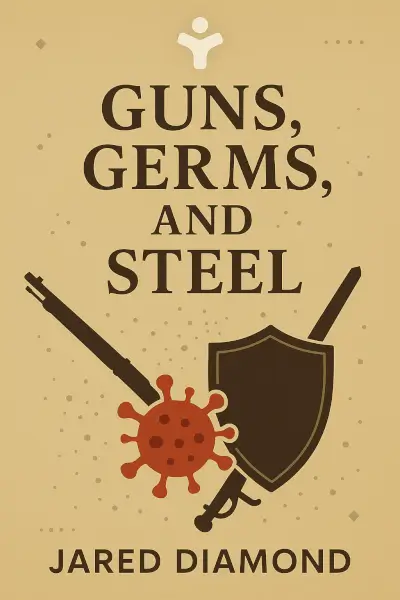
Guns, Germs, and Steel: The Fates of Human Societies
Ready to Take Action?
Get the Mentorist app and turn insights like these into daily habits.