Facing Death to Find What Truly Matters
Sitting near the edge of a rocky cliff, with the wind whipping around your face, can bring a peculiar sense of clarity. When our time feels finite, or when we lose someone we care about, the noise of daily worries fades, replaced by questions that dig deeper: Have I invested my time in what matters? What legacy am I crafting, not in grand terms, but in everyday actions?
Reflecting on mortality isn’t just a dark or morbid exercise; it’s a practical tool for realignment. Studies in neuroscience reveal that reminders of scarcity—like time or opportunity—activate brain areas linked to value-based decision making, helping us focus on goals and relationships that offer meaning, rather than temporary highs or surface-level wins.
For many, imagining the end is the beginning of honest living. It lessens the sting of small failures and dissipates the urge to chase popularity, wealth, or perfection. Instead, it grounds you in purposeful connection, contribution, and the simple beauty of existing for another day.
Spend a few minutes this week thinking about a time life’s limits felt real—a friend moved away, a pet died, or you felt risk up close. Notice how this shifts your view of what’s truly important, and write down a few legacies or impacts you want to leave behind. Create a gentle, weekly reminder to check if your daily actions are steering you closer to that legacy—or just spinning your wheels. This isn’t meant to scare you, but to free you: when you face what’s hard to face, you finally see what’s worth living for. Try it tonight, as you wind down.
What You'll Achieve
You’ll gain clarity about your core purpose, spend less energy on fleeting concerns, and act with greater intention and courage each day. Internally, you’ll feel more peaceful and confident; externally, others will benefit from your focused presence.
Let Mortality Recalibrate Your Priorities
Recall a moment when you considered life’s limits.
Think of a time you dealt with loss, risk, or just thought deeply about how short life can be. Notice what feelings or thoughts came up.
List core legacies you want to leave.
Write what difference you want to make—relationships to nurture, ideas to express, ways to better your community.
Set a weekly reminder to question your priorities.
Ask yourself: 'If my time were limited, is this how I’d spend today?' Let death’s perspective help you pick what matters most.
Reflection Questions
- When have I most clearly felt the shortness of life?
- What legacies or differences do I want to leave in my relationships, work, or community?
- How often do I let daily fears or status games crowd out bigger dreams or priorities?
- What small adjustment could I make this week to live more in line with what matters most?
Personalization Tips
- In a family, shifting focus from petty arguments to memories you want to create together.
- With creative work, letting the fear of criticism fade when you realize you want to leave a mark.
- At school, clarifying which classes and friendships are truly worth your time.
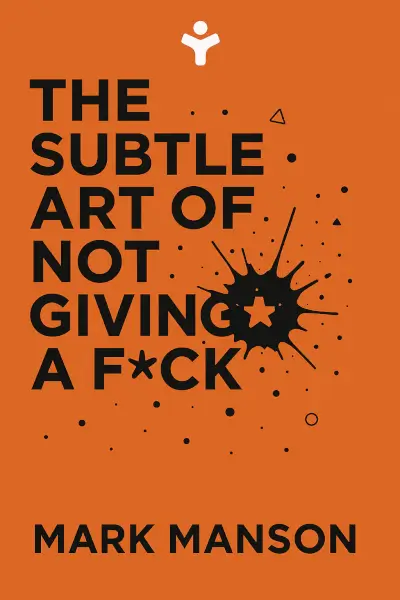
The Subtle Art of Not Giving a F*ck: A Counterintuitive Approach to Living a Good Life
Ready to Take Action?
Get the Mentorist app and turn insights like these into daily habits.