Failure Is the Secret Engine of Success
In the café, Picasso scrawled a drawing on a napkin. When a woman asked to buy it, he named a price that reflected sixty years of failure and refinement—not the one minute it took him to sketch. It’s a pattern you see everywhere from art to entrepreneurship: the world’s best only get there by failing early and often, allowing mistakes to teach them what works.
Take a young entrepreneur who, after college, hit the worst job market in years, burned through savings, and slept on a friend’s couch. That phase was full of dead ends, embarrassing launches, and blank responses. But each 'fail' was a data point, shrinking the gap between where he was and what worked. Because his core value was autonomy, he could accept failure as part of the process, not a life verdict.
Psychologists call this a 'growth mindset.' When you see each error not as a stop sign but as a lab experiment, you progress faster, become less anxious, and develop grit. Success is less about avoiding error and more about compounding learning. Over time, those who fail fastest and reflect most diligently reach their goals while others stall, paralyzed by fear.
Write down three things that haven’t gone as planned for you, from missed free throws to flopping in an interview. For each, ask yourself what the stumble revealed—what skill do you need, what assumption needs fixing, or what experiment should be run next? This week, do something where you might fail—a new activity, a hard ask, or an honest conversation. Let go of perfection, and focus on what each attempt teaches you. With each mini-failure, you invest in your future strength. See what happens.
What You'll Achieve
You’ll develop resilience, learn faster, and approach challenges with less fear. Internally, a growth mindset will help you persist; externally, you’ll see more improvement and opportunities unlocked.
Redefine and Leverage Your Personal Fails
List three recent failures.
Don’t just focus on big mistakes—even minor setbacks count (missed deadlines, awkward conversations, losing motivation).
Extract the lesson from each one.
Write what went wrong, what you controlled, and what new strategy you can try next time. Celebrate the attempt as progress.
Set a weekly “learning goal.”
Instead of avoiding future failure, commit to one action where you risk imperfection (trying something new, asking for feedback, or finishing a tough task even if it’s messy).
Reflection Questions
- What is my knee-jerk reaction to failing at something important?
- How can I make the lesson, not the outcome, my new definition of success?
- Where can I invite smaller failures to prepare myself for bigger wins?
- Who in my life treats mistakes as experiments rather than final judgments—and what can I learn from them?
Personalization Tips
- An athlete embracing missed shots in practice as the learning ground for later wins.
- A student using a bad test grade as a map for what to study harder.
- A new manager reflecting on a failed project as a path to better team planning.
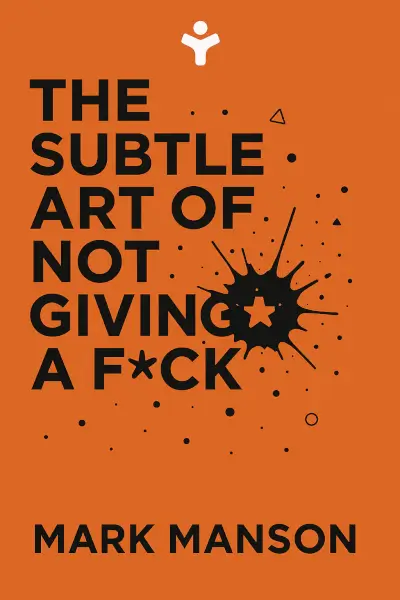
The Subtle Art of Not Giving a F*ck: A Counterintuitive Approach to Living a Good Life
Ready to Take Action?
Get the Mentorist app and turn insights like these into daily habits.