Embracing Uncertainty Is the Key to Growth
History is packed with wrong ideas—maps showing California as an island, medical cures based on bloodletting, and the whole notion that the sun revolved around us. At the time, everyone was sure they were right. But as science evolved, so did understanding—and people who challenged their old beliefs ended up changing the world (or at least stopped making patients bleed needlessly).
In our own lives, certainty often feels safe, but it blocks growth. Rooted habits and unexamined values keep us stuck, even when evidence piles up that we need to adapt. Social psychology research finds that those who practice 'intellectual humility'—the willingness to admit and learn from being wrong—outperform peers and recover faster from setbacks.
Embracing uncertainty isn’t about doubting everything all the time. It’s about being open to feedback, willing to revise your stories, and agile in the face of change. In fact, the people most comfortable with ambiguity are often the ones who see the widest range of options and make the best long-term choices.
Pick one strong opinion—about how to succeed, who you are, or what’s possible—and ask yourself, 'What if I’m wrong?' Seek out a friend, classmate, or coworker who sees things differently, and truly listen to their view. Try shifting your behavior or attitude for a few days as if you might be missing something, and watch how your outlook or results change. Admitting you don’t have the universe figured out is not weakness; it’s the doorway to lifelong learning. Challenge yourself to think and act with less certainty just this week—and see where it takes you.
What You'll Achieve
You’ll gain greater flexibility, learn more from mistakes, and build stronger, more collaborative relationships. Internally, you’ll reduce anxiety over being wrong; externally, you’ll open new opportunities and insights.
Challenge Your Need to Always Be Right
Deliberately question your core beliefs.
Choose a value you hold strongly—about success, relationships, or yourself—and ask, 'What if I’m wrong about this?'
Seek feedback and conflicting viewpoints.
Ask friends, colleagues, or family whose perspectives differ from yours to share their honest opinions. Listen without defending yourself.
Experiment with acting “as if” you’re wrong.
For a week, imagine your assumptions in a key area might be backward. Try new approaches or consider fresh evidence.
Reflection Questions
- What is one belief I hold that rarely gets challenged—how might it limit me?
- How do I react when someone disagrees with my core values?
- How would being less certain open me up to better results or relationships?
- When did embracing uncertainty last lead me to a valuable change?
Personalization Tips
- At work, ask a teammate to critique your favorite strategy—even if you’re sure it’s best.
- In your creative hobby, try a totally new style or genre, testing your usual preferences.
- In family debates, listen neutrally to an opinion you typically dismiss.
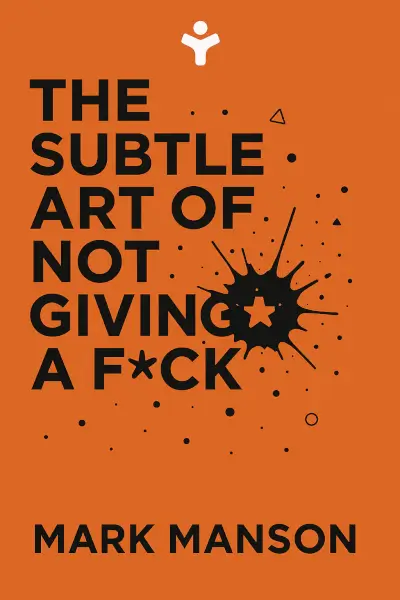
The Subtle Art of Not Giving a F*ck: A Counterintuitive Approach to Living a Good Life
Ready to Take Action?
Get the Mentorist app and turn insights like these into daily habits.