You Are Always Choosing—Radical Responsibility for Your Life
It can feel unfair: someone else’s harsh words, a bad call by a referee, or even just a string of tough luck. It’s easy to think, 'That’s not my fault—why should I have to deal with it?' But here’s what separates those who improve from those who don’t: taking radical responsibility for yourself. That means, even when life throws you nonsense, you own your next step.
Consider a high school student who gets sick with no warning and misses a major exam. It isn’t her fault—but she still has to decide if she’ll sulk, blame the situation, or reach out to her teacher for a makeup plan. Or think of someone snubbed by a friend. The hurt might not be deserved, but the choice—whether to stew in resentment or start a conversation—belongs to the person in pain.
Psychologist William James, after years of misery and poor health, experimented by taking responsibility for everything in his life—even for things he couldn’t control. The result? He transformed from failure to trailblazing scientist, not because he controlled every event, but because he controlled what he chose to do next.
Behavior change research supports that people who see themselves as active agents, not passive victims, are more resilient, adaptable, and satisfied, even during tough times.
Next time you catch yourself blaming someone—the teacher, the boss, your bad back, the universe—take a second and ask what choice you have, right now, to move forward. Remind yourself that fault and responsibility aren’t the same; recognizing what’s within your power is key. Reframe each challenge as a chance to make a decision; even a small step counts. This mindset doesn’t make problems disappear, but it does put you back in the driver’s seat for every part of your life. Give it a try today, even with the smallest setback.
What You'll Achieve
You’ll develop a sense of control, faster problem-solving skills, and emotional resilience, freeing yourself from constant frustration and blame. Internally, you’ll feel empowered; externally, you’ll see tangible progress in handling setbacks.
Own Every Outcome, Even If You’re Not at Fault
Recognize each moment involves a choice.
Notice when you’re tempted to blame others or circumstances for your feelings or situation. Acknowledge your role, even if it’s only in how you interpret or respond.
Separate responsibility from fault.
When something bad happens, practice recognizing you may not be at fault, but you are responsible for how you react, what you learn, and what you do next.
Reframe challenges as areas of control.
When facing a setback, focus on what action you can take now, rather than waiting for someone else to fix it.
Reflection Questions
- When do I most blame others or circumstances for my problems?
- How can I remind myself to look for choices I control, even if something isn’t my fault?
- What has happened when I took responsibility in the past—did things change?
- Which challenge right now can I take even a small ownership of?
Personalization Tips
- After a breakup, choose to work on yourself and your own happiness instead of waiting for an apology.
- If you get a bad grade because a teacher was unfair, still focus on what extra help or preparation you can pursue.
- When you’re sidelined in a team sport, use that time to improve your skills or encourage teammates.
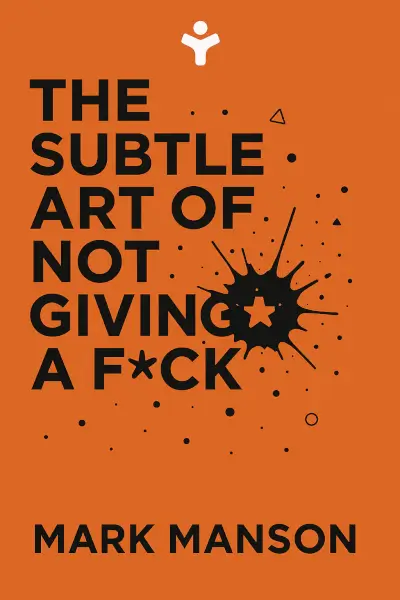
The Subtle Art of Not Giving a F*ck: A Counterintuitive Approach to Living a Good Life
Ready to Take Action?
Get the Mentorist app and turn insights like these into daily habits.