Why Pursuing Positivity Can Make You Feel Worse
It's common to find yourself feeling anxious, then quickly feeling anxious that you're anxious. Maybe you’re ashamed that disappointment still haunts you days after missing out on something, or you berate yourself for not being as upbeat as others seem on social media. This double-layered suffering is known as a 'feedback loop from hell.' It can turn a temporary emotional bump into a spiral of self-criticism and shame.
Imagine a student sitting in class, heart pounding before a big presentation. She feels worried—normal enough—but the problem multiplies when she thinks, 'Everyone else is so relaxed. What’s wrong with me?' Not only is she nervous, but now she’s judging herself for being nervous, feeling doubly flawed. She spends the lunch break scrolling through photos of smiling classmates, which only feeds the loop. The discomfort grows until it feels inescapable.
This isn’t personal weakness: it’s a side effect of our culture’s over-promotion of positivity. When you’re sold the idea that only happiness, achievement, or confidence are acceptable, any deviation feels like a personal failure. Research on emotions shows that trying to suppress or avoid negative feelings actually increases their intensity and frequency, leading to more distress.
Breaking out of this cycle begins with understanding that negative emotions are not evidence of defectiveness—they are its own valid experiences. Accepting them halts the feedback loop, opening up space for self-compassion. The most resilient mindsets aren’t built on avoiding discomfort, but acknowledging it’s simply part of the human experience.
Next time you start feeling upset, pause and see if you can catch yourself feeling bad about another negative emotion. Don’t rush to 'fix' or hide the discomfort—just accept that it’s happening, and let yourself feel it, even for a minute or two. If social media feeds or endless motivational memes push you into the trap of thinking happiness is the only correct emotion, step away and make space for voices that recognize real ups and downs. Remember, compassion for yourself—especially when your feelings feel all wrong—is the first step to snapping out of the feedback loop and back into real life.
What You'll Achieve
You’ll achieve a kinder relationship with your emotions, reducing spirals of self-criticism and shame. Internally, you’ll build resilience and self-acceptance; externally, you’ll waste less energy reacting to minor setbacks and can return to important goals faster.
Interrupt the Feedback Loop from Hell Today
Notice when you feel bad about feeling bad.
The next time you catch yourself anxious about your anxiety, angry that you're angry, or sad about being sad, pause and recognize the second layer of emotion. Label the original feeling without judgment.
Accept negative feelings as normal.
Tell yourself that discomfort, guilt, and self-doubt are part of being human. Instead of escaping or fixing them, try sitting with the feeling for a few minutes, observing its intensity without action.
Limit exposure to unrealistic positivity.
If social media or self-help advice triggers your sense of lacking, take a short break or unfollow accounts that make you feel 'less than.' Replace them with sources that validate a full range of emotions.
Practice self-compassion for imperfection.
When you stumble into the loop of 'I shouldn’t feel this way,' gently remind yourself everybody struggles with the same cycles and you’re not broken for feeling them.
Reflection Questions
- When do I most often find myself feeling bad about being upset?
- How comfortable am I with my negative emotions, and how do I usually react to them?
- Whose expectations for constant positivity am I trying to live up to, and are they realistic for me?
- Is there a place or routine where I unconsciously fuel the feedback loop?
Personalization Tips
- In school, if you feel nervous before a test and then get frustrated with yourself for being nervous, pause and accept the initial anxiety.
- If you argue with a partner and later feel guilty for still holding onto anger, notice the guilt spiral and talk to yourself as you would a friend.
- At work, if motivational posts make you feel behind or unsuccessful, mute them and focus on your real progress instead.
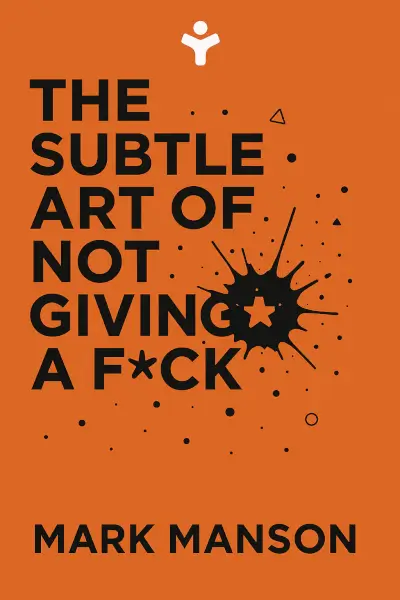
The Subtle Art of Not Giving a F*ck: A Counterintuitive Approach to Living a Good Life
Ready to Take Action?
Get the Mentorist app and turn insights like these into daily habits.