Why Conventional Wisdom Is Frequently Wrong—And What To Do Instead
You’ve probably heard time-worn advice that sounds correct only because everyone keeps repeating it. At a family meal, the uncle who claims, ‘crime these days is worse than ever!’ stirs worry, while a coworker swears that only big money determines election wins. Yet the more you listen, the more you start to notice that the same logic underpins scare stories, miracle drugs, and urban legends.
Take the myth of ‘eight glasses of water a day’—repeated ad nauseam, yet rarely sourced from credible science. Or the widely accepted slogans about the homeless counting in the millions, numbers that, when investigated, turned out to be manufactured by advocates to draw attention (and funding) to their cause. Similar patterns show up in law enforcement’s exaggerated claims about enemy resources to win extra budget allocations. The cycle continues: media outlets and experts feed off each other, echoing unverified claims. Real analysis demands time, but fear and simplicity always seem to pay more.
So you learn to pause before repeating or trusting what ‘everyone knows.’ You ask the unasked question. Sometimes you change your mind; more often, you just become harder to fool. Skepticism, it turns out, isn’t cynicism. It’s a way of trading shallow panic for deeper understanding, one claim or meme at a time.
Next time you hear a hot tip, a worrisome stat, or widespread outrage, jot the idea down. Give yourself a short window to research it—just fifteen minutes is enough to poke holes in a lot of ‘common sense.’ Check who stands to gain, what real numbers say, and whether other explanations exist. Don’t hesitate to challenge even the loudest or most confident voices—sometimes, especially those. You’ll develop a sixth sense for what’s hype and what holds water. Try it once—then see how your radar sharpens.
What You'll Achieve
Develop a more skeptical, investigative mindset, resist being swayed by misinformation, and empower yourself to act based on real understanding.
Practice Healthy Skepticism Toward Popular Beliefs
Catch the next ‘fact’ you hear repeated frequently.
Write down common advice or news you encounter this week—eight glasses of water a day, a certain crime wave, or high campaign spending wins elections.
Investigate its true origin and evidence.
Spend fifteen minutes researching the actual sources or studies backing this popular belief. Look for reputable data or consider who benefits if people accept it without question.
List alternative explanations or overlooked perspectives.
Brainstorm at least two possible reasons why the conventional view might miss key factors or be misleading. Discuss your findings with friends or online for feedback.
Reflection Questions
- What’s one ‘fact’ you’ve believed that wasn’t true upon investigation?
- How does questioning conventional wisdom affect your relationships with others?
- What would your decision-making look like if you challenged surface-level explanations?
Personalization Tips
- When you hear ‘sugar always causes hyperactivity,’ ask a teacher or check medical studies.
- The next time someone says ‘more spending always wins political campaigns,’ look up the last few elections.
- If your group repeats ‘everyone cheats if given a chance,’ examine workplace or school honor code data.
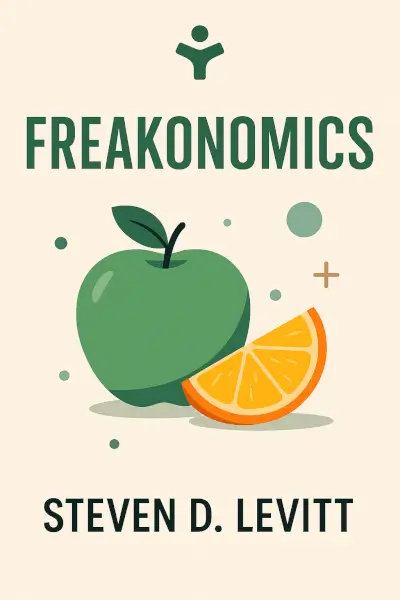
Freakonomics: A Rogue Economist Explores the Hidden Side of Everything
Ready to Take Action?
Get the Mentorist app and turn insights like these into daily habits.