Information Is Power—But Only if You Know How to Use It
When Ellen decided to buy her first home, her real estate agent assured her that a quick offer was almost always the best deal—and that the market was about to take off. Still, the advice felt… too convenient. That night, Ellen used an online real estate portal to research recent sales, discovering that her neighborhood’s prices had been falling for months. She also noticed that agents kept their own homes on the market longer—and consistently got higher prices. Armed with facts, Ellen waited until a similar house sold cheaply, then negotiated a sizeable discount for her own purchase.
At work, Ellen noticed the same pattern. When hiring a service vendor, the lowest quote came with vague language and lots of ‘trust me, I’ve been doing this for years.’ Ellen politely countered, citing specific examples from competing bids and asking for a detailed breakdown. The vendor, caught off guard, dropped unnecessary fees and accepted fairer terms, just to win her business.
This pattern—where experts cloaked the truth to maintain their advantage—became clear wherever stakes were high. Whether it was insurance prices, medical advice, or even buying a casket, Ellen found that the primary leverage came from reducing information imbalances. By refusing to be rushed or intimidated by ‘expert’ urgency tactics, she kept her options—and her savings—intact.
Every time you notice someone holding the information cards close—be it in a purchase, a negotiation, or any high-stakes transaction—take a moment to slow down. Get your own data, compare your choices, and let pointed questions open up the real story behind the pitch. This doesn’t mean becoming paranoid; it's about being curious and resourceful. Gather the details, test the claims, and see how much more confidently you can call the shots the next time someone expects you to simply accept their authority.
What You'll Achieve
Boost your decision-making confidence, save money by avoiding hidden pitfalls, and increase personal agency in transactions where others once held all the cards.
Turn Hidden Information Into Practical Advantage
Identify information asymmetries in your life.
Find areas where one party knows much more than another—buying a car, hiring an expert, or negotiating a service.
Gather your own comparative data.
Use publicly available reviews, price databases, or even crowd-sourced advice to close the gap—don’t settle for what you’re told at face value.
Ask probing questions to challenge assumptions.
Politely question the recommendations and look for signs of hidden biases or self-interest; prepare alternatives so you’re not boxed in by fear-based persuasion.
Reflection Questions
- Where do you rely too much on expert opinion without verification?
- Have you ever found out too late that you were missing key information?
- What’s one situation where gathering your own data could shift the outcome?
Personalization Tips
- Before buying a used car, check actual market prices online and ask the seller about past issues.
- If a doctor recommends an expensive procedure, research independent studies or get a second opinion.
- When hiring a contractor, compare several quotes and specifications, not just trust the pitch.
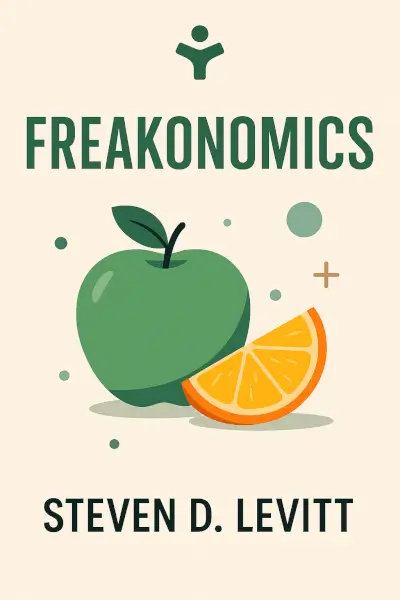
Freakonomics: A Rogue Economist Explores the Hidden Side of Everything
Ready to Take Action?
Get the Mentorist app and turn insights like these into daily habits.