Whose History Gets Remembered? The Power—and Cost—of Erasing Women’s Achievements
From the earliest schoolbooks to Hollywood movies and Wikipedia categories, most stories of discovery, power, and ‘importance’ have been told through a male lens. Research examining history and science textbooks in multiple countries has shown that named men outnumber named women by margins as wide as 10:1, and that women’s roles are often sidelined to niche or special interest ‘chapters’—if included at all. Even when women’s contributions are crucial, credit frequently goes to their male contemporaries or supervisors, perpetuating cycles of forgetfulness.
Behavioral science finds this pattern powerful, because repetition in narratives sets what’s perceived as normal or valuable. People grow up seeing men as the standard for genius or leadership; women, if mentioned, are ‘extras’ or exceptions. This gap is reinforced in culture whenever historical canons, lists of great composers, scientists, or leaders are compiled through systems and traditions that have systematically excluded or ignored female achievement.
But sustained research and advocacy have also shown pathways to change: where representation is methodically corrected, future generations more easily imagine themselves as creative leaders and innovators. Making visible what was once hidden is not just about the past, but about unlocking potential and possibility for everyone, today.
Check out the books, exhibitions, or playlists used where you learn or work—are they missing the stories and faces of women and other minorities who helped shape your field? Raise your hand and speak up: propose new names, biographies, or stories to include, even if it’s just one per month. Challenge the idea that important means 'male by default,' insisting on examples and awards that reflect everyone’s contributions. Celebrate unsung achievements in your circles, and watch as overlooked greatness becomes part of new common knowledge.
What You'll Achieve
Boost personal and group identity, foster a wider sense of possibility, and enrich learning environments by restoring women’s and minorities’ stories to the shared canon.
Restore Representation in Everyday Learning and Memory
Audit your school or organization’s syllabus, awards, and displays for female and minority presence.
Review textbooks, reading lists, hall plaques, or speaker rosters. Note any lack of women or people from other underrepresented backgrounds.
Bring missing figures back into the spotlight.
Nominate, suggest, or campaign to include pioneering women and minority figures in syllabi, talks, or events. Write brief profiles or arrange features.
Encourage narrative shifts in how ‘normal’ and ‘notable’ are defined.
Challenge discussions or decisions that treat male or white stories and achievements as the universal standard.
Share stories publicly and create visible reminders.
Use posters, social media, or school assemblies to make unheard history known and regular.
Reflection Questions
- Which important achievers do I rarely see reflected in my textbooks or public spaces?
- How am I affected by repeated exposure to one-sided stories of history or innovation?
- What traditions or policies am I part of that could be opened up to more perspectives?
Personalization Tips
- If you’re a student, advocate for a more balanced list of authors, scientists, or leaders in classes and library displays.
- As an educator or club leader, update lesson plans or project topics to showcase achievements by women and underrepresented groups.
- In your workplace, nominate women and minorities for awards, leadership, or visible speaking roles.
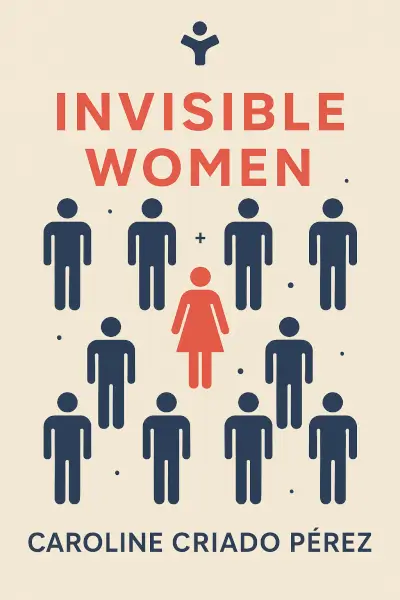
Invisible Women: Data Bias in a World Designed for Men
Ready to Take Action?
Get the Mentorist app and turn insights like these into daily habits.