Healthcare’s Hidden Gap: How Male Defaults Put Women at Risk
Imagine seeking care for severe pain, only to hear that it’s in your head, or to receive a default dose of medicine designed for someone with a completely different body. For countless women, and many marginalized groups, this isn’t rare—it’s routine. Because most medical research, textbooks, and clinical guidelines have historically been built around the male body, women are more likely to have symptoms misread, side effects dismissed, or critical illnesses missed entirely. Tests and drug trials have often excluded women or simply ignored how female biology works differently, down to the cellular level.
The result? Women are routinely misdiagnosed after heart attacks, their autoimmune diseases go undetected or untreated, and they face higher risks from drugs, procedures, and even protective equipment that was never tweaked for their needs. Behavioral science links this back to the bias of familiarity: what the ‘majority’ does, measures, and monitors becomes the assumed normal, and everyone else is treated as a complication.
Changing this starts with personal vigilance—knowing your body’s specific needs and advocating for care tailored to you. But it also means becoming a champion for systems change, calling for more research, more inclusive trials, and better data, until ‘default’ finally encompasses everyone.
Next time you interact with your healthcare provider, don’t hesitate to ask: was this medicine or advice really designed for someone like me—or just for the average man? Do some research on gender-specific warning signs and recovery for key illnesses, and bring those questions to future appointments. Whenever you hit an outdated or confusing answer, document it and share it—personally or through organizations calling for better research inclusion. And if you’re in a position to teach, fund, or shape policy, use your influence to push for explicit attention to sex differences in everything from the classroom to the clinic. Your vigilance helps keep you safe, and your voice helps others too.
What You'll Achieve
Improve health outcomes and prevent misdiagnosis by being informed, proactive, and vocal about gendered health risks, and chip away at systematic research gaps for better care in the future.
Advocate for Gender-Specific Research and Personal Health Awareness
Check if your medical treatments or advice are based on male-biased research.
Ask your doctor or healthcare provider if dosage, diagnosis, or prevention guidelines differ for women or for relevant subgroups.
Research symptoms of common conditions in women and men separately.
Use trusted sources to learn about gender-specific symptoms, especially for heart disease, auto-immune conditions, and drug reactions.
Share gaps or errors you encounter with medical teams or advocacy groups.
If information seems outdated or incomplete, politely let your doctor or clinic know. Join or support campaigns for better data inclusion.
Champion women’s health issues in community or work settings.
Promote educational sessions, organize awareness events, or raise questions about health plans and workplace safety guidelines.
Reflection Questions
- Have I (or someone I know) received care that didn’t fit my unique body or experience?
- How can I be more informed about gender differences in health, and where should I look?
- What small and large actions can I take to help improve inclusion in medical research and treatment?
Personalization Tips
- At your next checkup, ask if common medicines are tested or dosed according to women’s needs, not just men’s averages.
- If teaching health in school, highlight how historical gaps in biology or drug research have affected different populations.
- If in a public policy group, advocate for sex-disaggregated data in funding or health service planning.
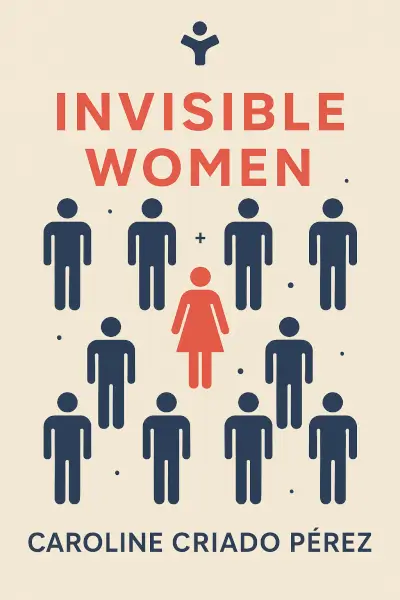
Invisible Women: Data Bias in a World Designed for Men
Ready to Take Action?
Get the Mentorist app and turn insights like these into daily habits.