When Tragedy Strikes: Breaking the Silence on Mental Health in Medicine
Within the pressured walls of a hospital, one junior doctor—like many before—suddenly disappears, only for the rumor to spread: an attempted suicide, driven by the exhaustion and burden that had gone unnoticed by both bosses and friends. For those still working, there’s shock, a parade of unspoken questions, and, often, a feeling of 'it could have been any of us.' The culture, for all its camaraderie in crisis, too often keeps silent about vulnerability; talking frankly about feeling overwhelmed is rare, and getting help feels nearly taboo.
The story repeats across industries where lives are literally on the line, but also shows up in high-pressure schools, law firms, or startups. Studies from the British Journal of Psychiatry and the Medical Protection Society reveal that doctors, especially young women, suffer disproportionately high rates of mental health issues and suicide—including some who seemed outwardly fine.
After these reckonings, some teams begin to talk differently—making mental health an agenda item, creating peer networks, and visible mentorship. They learn, slowly and painfully, that starting the conversation can be as lifesaving as any code called on the ward.
Whether for yourself or others, start normalizing honest conversations about stress and well-being—notice patterns in mood and routine, and ask teammates or friends how they’re really doing, not just if they’re keeping up. Collect and share resources for support—and be blunt: feeling overwhelmed is a human response, not a weakness, and early openness can stop problems from growing. Don’t just worry when someone vanishes—send a quick message offering to talk, and say yes if you get such a message yourself, even if you think you don’t need it. Try checking in with someone this week.
What You'll Achieve
Reduce stigma, increase early intervention, and foster communities where being human doesn’t mean being alone or weak.
Start Real Conversations About Mental Well-Being
Notice early warning signs in yourself and others.
Monitor for persistent fatigue, isolation, irritability, or loss of interest—small shifts that signal more than temporary stress.
Normalize check-in conversations.
Make talking about well-being as routine as discussing workload. Use simple, nonjudgmental questions like, 'How are you, really?'
Know local support pathways.
Keep mental health resources (hotlines, peer support, counseling contacts) ready—even if you think you’ll never need them.
Reflection Questions
- When did you last talk openly about struggling?
- Who around you seems withdrawn or exhausted—and how could you safely reach out?
- Do you know where to go for help, and would you use those resources personally?
Personalization Tips
- A student posts a sign in their common area with mental health resources for anyone to use.
- A manager starts every team meeting with a mood check, inviting honest responses.
- A close friend routinely texts, 'Haven't heard from you—want to talk?' to mates who withdraw.
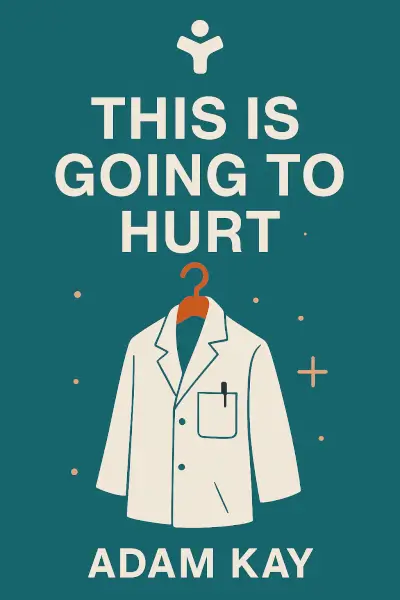
This is Going to Hurt: Secret Diaries of a Junior Doctor
Ready to Take Action?
Get the Mentorist app and turn insights like these into daily habits.