Know Yourself and Your Opponent: The Paradox That Predicts Consistent Results
In competitive psychology, researchers emphasize the discipline of 'dual diagnosis'—the practice of diagnosing not just oneself but also the other party before making any major move. Sun Tzu’s maxim, 'Know yourself and your enemy and you need not fear a hundred battles,' has clear support in data: athletes, negotiators, and even students who honestly inventory both their own attributes and those of competitors outperform those who merely focus on themselves.
Yet, here’s the paradox: many people resist acknowledging their own flaws, while also overestimating their rivals. The discipline is to get real—not just aspirational—about your personal inventory, then to observe and record the patterns of others. This isn’t navel-gazing or paranoia; it’s a form of strategic curiosity. The most effective people combine humility with detective-like attention to external cues. Mastering this interplay, instead of swinging between self-doubt and grandiosity, is one of the most counter-intuitive secrets behind steady success in all fields.
Kick off your next project by taking a brutally honest inventory of yourself—write down what you do well and where you stumble, then turn the same honest curiosity outward. Make lists or quick notes about who you’re up against, what they repeat, and what they miss. Design your next move, pitch, or response with both sets of strengths and gaps in mind. This process flips the usual anxiety about competition on its head, and often results in surprising clarity. Don’t wait—try it with your next small challenge.
What You'll Achieve
Gain outsized results with fewer surprises and setbacks, unlock self-growth, and develop calm confidence even in high-stakes, uncertain competition.
Master Radical Self-Honesty and Strategic Curiosity
Write Down Unfiltered Strengths and Weaknesses.
Be brutally honest about what you excel at and where you struggle. Reflect on recent wins and failures for concrete evidence.
Map Out the Other Side’s Capabilities and Flaws.
List out what you know—or suspect—about your rival’s or counterpart’s tendencies, strengths, blind spots, and behaviors.
Plan Around the Interplay of Strengths, Not Just Your Own.
Explore where your skills overlap or clash. Design strategies that compensate for your weak spots by exploiting the other’s gaps, or vice versa.
Reflection Questions
- Where do you overestimate or underestimate your own capabilities?
- What patterns do you notice in your competitors’ or counterparts’ actions?
- Could you design a win based on overlapping strengths and gaps?
- What's the single hardest part for you about being radically honest with yourself?
Personalization Tips
- A chess player predicts moves by reviewing both their preferred tactics and their opponent’s typical mistakes.
- A student with test anxiety prepares by ignoring friends’ study habits and focusing on what suits their own mind best.
- A manager addresses their team’s missing skills by pairing people in complementary duos.
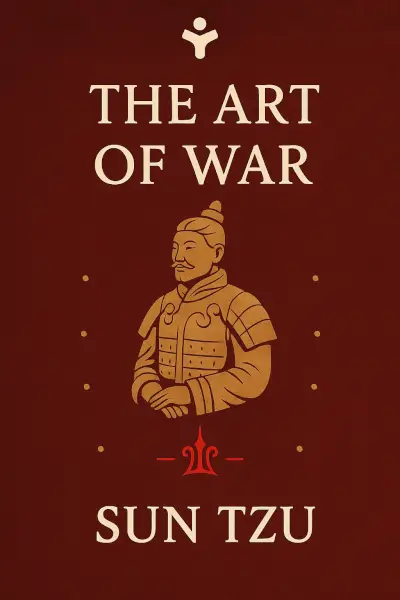
The Art of War
Ready to Take Action?
Get the Mentorist app and turn insights like these into daily habits.