The insult that only hurts you after you decide it does
Halfway through a meeting, someone says something that lands like a slap: a dismissive comment about your work, made in front of people whose opinion matters to you. Your chest tightens, your face goes hot, and by the time you notice what has happened, you have already decided the meeting is ruined.
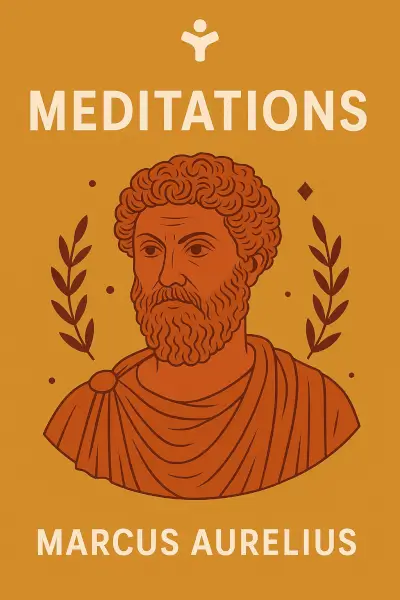
Marcus Aurelius would have argued the meeting was never touched. Only your reaction was. In one of his sharper notebook entries, he sets down a two-step move for exactly this moment: remove your judgement of anything that seems painful, and you stand quite immune to the pain itself. Someone objects, what self? Reason, he answers. But I am not just reason, the objection continues. Granted, he says. Then let your reason cause itself no pain, and let whatever other part of you is troubled form its own separate judgement.
This is not Marcus telling himself to feel nothing. He is drawing a line between two events that usually arrive fused together: the raw impression, a comment was made, a face turned red, and the verdict stacked on top of it, this is a disaster, I have been humiliated. Elsewhere he puts the mechanics even more plainly: remove the judgement, and you have removed the thought I am hurt. Remove the thought I am hurt, and the hurt itself is gone. He insists, too, that things themselves have no power to touch the mind at all; they are external and inert, and anxiety can only ever come from the internal verdict handed down about them.
The test he sets himself is specific: does this event make him unjust, cowardly, dishonest, or out of control? If the honest answer is no, then by his own definition nothing bad has actually happened to the part of him that matters, whatever damage has been done to his pride or his plans. The sting in the meeting is real as a sensation. Whether it becomes suffering is a second, separate decision, made a moment later, and it is the only part of the transaction that was ever his to control.
The next time something stings, try to catch it in two separate pieces instead of one. First, name only what actually happened, the bare fact, with no story attached. Then notice the second layer arriving on its own, the verdict you are about to add, and ask whether you are choosing it or simply inheriting it from habit. Test it against Marcus Aurelius's own question: does this event, by itself, make you dishonest, unjust, or cowardly? If it does not, treat it as indifferent to the part of you that actually matters, and practice this split on small daily irritations so it is ready before the big ones arrive.
What You'll Achieve
You learn to separate the bare fact of what happened from the story you add on top of it, so criticism and setbacks sting less and stop automatically becoming full-blown emotional crises.
Separate the raw event from your verdict
Catch the raw impression first.
Name only what actually happened, with no story attached: a comment was made, a decision went against you, your face went hot.
Notice the second layer arriving.
Watch for the verdict your mind adds a moment later, this is a disaster, I have been humiliated, and recognize it as a separate, optional step.
Run Marcus Aurelius's test.
Ask whether the event, by itself, makes you unjust, cowardly, dishonest, or out of control. If the honest answer is no, treat it as indifferent to the part of you that actually matters.
Practice on small stakes.
Rehearse this split on minor daily irritations so it is already working by the time something genuinely painful happens.
Reflection Questions
- What actually happened in the last moment that upset you, stripped of any story about what it meant?
- What verdict did you add on top, and where did that verdict come from?
- Did the event make you dishonest, unjust, or cowardly, or only uncomfortable?
- How quickly could you catch the second layer arriving next time, before it takes hold?
Personalization Tips
- A parent whose teenager slams a door separates the noise from the story that it means the relationship is broken.
- An employee passed over for a promotion notices the sting of the news and, separately, the harsher verdict his mind wants to attach to it.
Meditations
Ready to Take Action?
Get the Mentorist app and turn insights like these into daily habits.