The Psychology of Ousting: How Group Loyalty, Betrayal, and Resilience Define Organizational Survival
Ousting, succession, and betrayal are the shadow companions of every close-knit group or startup, though most teams hope they’ll never encounter them. At Twitter, painful firings, boardroom coups, and leadership shakeups left almost no founder untouched. Friendships built over late-night work and shared setbacks dissolved almost overnight, replaced by mistrust and isolation. Sometimes, the person pushed out had handed the tools for his own removal to a friend just weeks earlier.
The psychology behind ousting is complex: when groups are under stress, loyalty and threat responses intensify. Research from behavioral science shows that we’re wired both for tribe-protection (which can sadly mean pushing “outsiders” away) and for power struggles when leadership is ambiguous. Those excluded often cycle between anger, self-doubt, and emotional withdrawal. But some channel loss into new opportunities, using the pain to understand themselves and others more deeply—or to fuel innovation elsewhere. Over time, the most resilient will frame betrayal as evidence of growth, not only as a wound.
While group betrayals hurt, the most skillful individuals learn to integrate the lesson without letting resentment define their future paths.
Be honest with yourself if you've been left out or sidelined—write down what happened and how it made you feel. Think carefully about whether challenging the group will help or only deepen the rift; sometimes, a wise friend's perspective is invaluable here. Use your energy, instead, to sharpen your strengths or branch out elsewhere, making use of everything this hard period taught you. If you can, forgive—even if only for your own sake. The cycle of exclusion doesn’t have to dictate your next act. Sometimes, bouncing back means finally letting go.
What You'll Achieve
Build the emotional skills to recover from setbacks and navigate complex group relationships, transforming pain into fuel for growth and new achievement.
Navigate Betrayal and Loss in High-Stakes Groups
Acknowledge when you feel excluded, betrayed, or unappreciated.
Journal your reactions honestly, focusing on the emotional and practical effects. Use evidence from recent events.
Assess whether speaking up will repair or worsen relationships.
Use a pro/con list to weigh potential outcomes of discussing your feelings openly. Seek outside advice if the stakes are high.
Redirect energy into growth—either within the group or beyond it.
After processing loss, identify skills, insights, or connections you can carry forward. Consider forming new collaborations or pursuing personal goals.
Forgive, if possible, to break the cycle of resentment.
Remember that holding onto betrayal can poison creativity and opportunity. Forgiveness, even if private, frees up energy for positive action.
Reflection Questions
- Which recent group setback taught me most about myself?
- What would it look like to let go of resentment?
- Who models healthy recovery from exclusion, and what do they do differently?
- How could I use my experience to shape something new, inside or outside the group?
Personalization Tips
- After being left out of a sports team’s main roster, a student chooses to coach or start a new team.
- A worker passed over for a promotion decides to join another department, bringing unique insights.
- A friend group’s falling out stings, but one person uses their freed time to develop an original creative project.
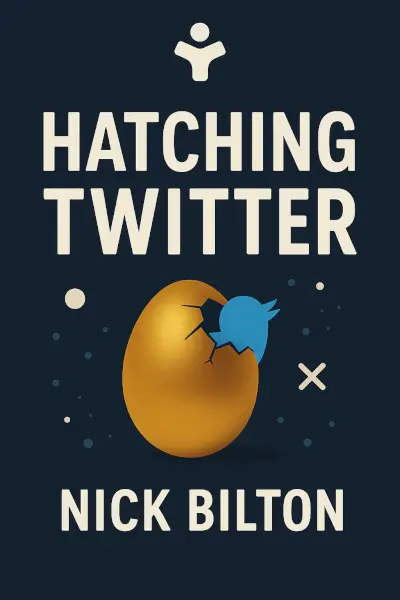
Hatching Twitter: A True Story of Money, Power, Friendship, and Betrayal
Ready to Take Action?
Get the Mentorist app and turn insights like these into daily habits.