Most Startup Successes Are Really Accidents—Learn to Pivot When Reality Changes
Early on, a small team at a struggling audio startup noticed that nobody—including themselves—was actually using their own podcasting service. Morale dipped as the group realized the market had shifted: Apple was suddenly bundling podcasts into iTunes, making their audio platform nearly obsolete overnight. Some founders felt frustrated and wanted to stick to the original plan, while a few others just wanted any way out.
Faced with mounting debts and pressure from investors, they had a tough conversation: what was left that actually worked? Someone brought up a quirky internal tool—a way to post short status updates about daily activities. The group laughed at first, since it seemed more like a distraction than a product, but eventually agreed to experiment: what if they let the whole team use it, just for kicks?
Within days, this 'side project' was getting more attention than the main business. Employees started using it to share when they'd finished tasks, when lunch was arriving, or when they'd fixed a bug. A few even pulled in friends from outside the company. While the podcast product faded further into irrelevance, the status tool became addictive.
They didn’t plan to become a global phenomenon. They just let honest results—what the team and eventually other users genuinely latched onto—guide new priorities. Behavioral experts call this adaptive behavior: knowing when to drop sunk costs and shift direction before frustration turns into failure. In complex environments, openness to pivoting often beats stubborn persistence.
First, take a breath and write down what you wanted your team or project to accomplish at the very start. Next, get honest about where reality isn't matching your expectations—maybe your features go unused, or you keep seeing the same problems from different angles. Gather your team or a few trusted friends for a direct conversation—what are we learning the hard way? Then, let yourself brainstorm one idea that cuts against your old plan, and try it out this week with no pressure: maybe a one-page webpage, an informal poll, or a prototype you share just with a class or two. You'll learn fast whether it's worth doubling down or moving on. Stay flexible—sometimes your best move is the one you didn't plan for.
What You'll Achieve
You'll develop practical flexibility and learn how to shift gears quickly, lowering the risk of burnout or wasted effort. Externally, this can lead to higher project success rates, faster recovery from setbacks, and an increased likelihood of finding solutions with real impact.
Embrace Pivoting Instead of Clinging to Your Original Plan
List your current project’s original goals.
Clarify what you set out to achieve, using clear and specific language. Example: 'We wanted to launch a podcast platform for sharing audio clips.'
Track which goals or features aren’t working.
Look for evidence—like lack of user interest, competition swallowing your niche, or team friction. Be honest; gather feedback and data.
Have a candid team conversation about strengths and failures.
Schedule a time where everyone shares what’s been frustrating, surprising, or unexpectedly easy. Encourage sharing facts, not just feelings.
Try a low-risk experiment based on lessons learned.
Choose one promising alternative direction. Test it quickly on a small scale without big investment—like launching a simple version for friends or a small group.
Reflection Questions
- Where am I stubbornly clinging to my first plan?
- What would happen if I let go of that plan for a day?
- Who can give me unfiltered feedback about our project’s direction?
- What’s one small experiment I can run this week to test a new approach?
Personalization Tips
- A study group plans to make a math resource site but finds their memes about math anxiety are shared far more; they shift focus to humor and community.
- A catering business starts by offering fancy dinners, but most customers only want simple lunchboxes—so they pivot to office lunches.
- An after-school club organizes coding workshops, but discovers everyone loves their tips on digital safety more; they switch to focus there.
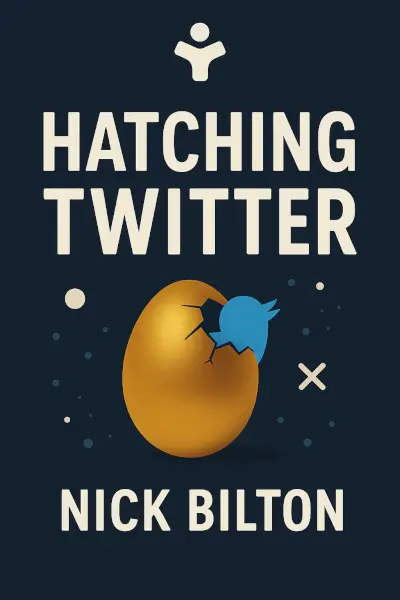
Hatching Twitter: A True Story of Money, Power, Friendship, and Betrayal
Ready to Take Action?
Get the Mentorist app and turn insights like these into daily habits.