The billionaire's party where one guest had something money couldn't buy
At a party held at a billionaire's lavish estate, the writers Kurt Vonnegut and Joseph Heller stood taking in the scale of the place. Vonnegut said something like, look at all this, this man has everything. Heller answered that he had something the billionaire would never have: enough. Derek Sivers tells this exchange because it became, for him, the measuring stick for one of the biggest decisions of his life.
When Sivers eventually sold CD Baby, he didn't need or particularly want the money from the sale. He lived simply, without a house, a car, or even a television, and he'd come to believe that owning less made him happier, not less secure. So before the sale went through, he moved all of CD Baby's assets into a charitable trust dedicated to music education, irreversibly, months before any deal closed. When the company was eventually bought for twenty-two million dollars, that money didn't go to him. It went to the trust, which pays him a small percentage each year for a simple life and will fund music education after he dies.
He's careful to say this wasn't some act of noble sacrifice. He argues he gave up nothing, because he'd already figured out what actually made him happy, and it wasn't a bigger number in a bank account. The deeper question underneath this decision is one he'd been asking himself for years, in smaller ways, long before the sale: how do you grade yourself. Some people measure themselves by how much money they accumulate. Some by how much they give away. Some by how many lives they touch broadly, others by how deeply they can affect just a few people. Sivers measured himself by how many useful things he created, and once he'd made something that didn't need his creative input anymore, holding onto it stopped making sense to him.
The reason this matters beyond one wealthy person's decision is that most of us never actually answer the question of what enough looks like for us specifically, so we keep grading ourselves by whatever measure happens to be handed to us, usually net worth, usually more. Sivers's point isn't that money is bad or that everyone should give their company away. It's that without deciding in advance what you're actually measuring yourself against, you'll keep chasing whatever number is largest, long after it's stopped making you any happier.
Write down, honestly, what measure you currently use to judge whether you're doing well, whether it's money, recognition, impact, or something else entirely. Ask yourself whether that measure was one you actually chose, or one you inherited from people around you without examining it. Pick a concrete number or condition that would represent enough for you in that measure, specific enough that you'd recognize it if you reached it. When you do reach it, notice whether you keep moving the target automatically, and if so, pause deliberately before deciding to raise it again.
What You'll Achieve
The listener defines their own concrete measure of enough, rather than defaulting to whatever measure of success is handed to them, and notices when they're chasing a bigger number purely out of habit rather than genuine need. Outwardly, this can show up as a deliberate decision to stop, scale back, or give away something once a self-defined threshold is reached.
Define your own version of enough
Name your current measure
Write down honestly what measure you currently use to judge whether you're doing well, whether it's money, recognition, or something else.
Check where that measure came from
Ask whether that measure is one you actually chose, or one you inherited from people around you without ever examining it.
Set a specific threshold for enough
Pick a concrete number or condition that would represent enough for you, specific enough that you'd recognize it if you reached it.
Notice if you move the target automatically
When you reach that threshold, pause deliberately before deciding whether to raise it again, rather than doing so out of habit.
Reflection Questions
- What number or condition would represent enough for you, specifically?
- Whose measure of success are you currently using, yours or one you absorbed from others?
- If you reached your definition of enough tomorrow, would you actually stop, or would you quietly raise the bar?
- What would you be free to do if you stopped needing more than you already have?
Personalization Tips
- Someone who has always measured success by salary decides that a specific, modest number would let them work fewer hours, and starts scaling back once they hit it.
- A creator who has been chasing follower counts defines a smaller, specific audience size that would already satisfy the reason she started making things.
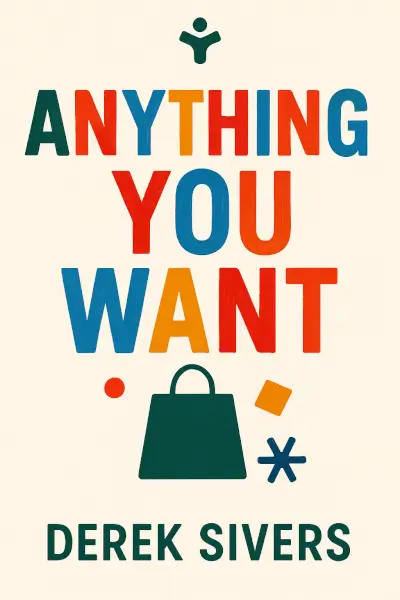
Anything You Want
Ready to Take Action?
Get the Mentorist app and turn insights like these into daily habits.