Why Most Product Teams Fail—and How to Escape the Feature Factory Trap
The product team at a mid-sized software company was drowning in feature requests from all directions. Every quarter, they'd launch a handful of updates from their carefully prioritized roadmap, but customer satisfaction barely budged. In planning meetings, animated debates about which stakeholder's pet feature should win out became the norm. It felt like producing assembly line widgets rather than creating anything meaningful.
One Tuesday, the product manager, Megan, noticed that all their efforts were focused on what to build next, not why. After a call with a frustrated customer who kept circling back to the same issue—onboarding too many steps, too little guidance—Megan gathered the whole team for an experiment. She challenged everyone to forget prior feature votes and instead list the top five friction points users reported. She was surprised: several critical problems had never appeared on their roadmap because they weren't shiny features, just messy workflow barriers—and no single executive had demanded them.
Using sticky notes and a whiteboard, design, engineering, and even a marketing colleague mapped out the user journey, marking pain points with red dots. They chose the biggest recurring pain—the confusing onboarding—as their challenge. Instead of writing a spec, they built a quick, messy prototype over two days, then put it in front of three real new users. Watching live, the team saw users hesitate at confusing steps, fumble with unclear buttons, and even ask for help. The feedback was blunt but honest.
They iterated until users moved smoothly through onboarding in less than half the time. When the team shipped the new flow, new customer activation rates jumped by a third, and churn fell. Instead of one more new feature, they'd solved a key problem—and the team felt a surge of motivation. Megan realized that great product teams don’t just build; they solve—and that means questioning what goes on the roadmap in the first place. This approach is grounded in the concept of 'product discovery', which emphasizes finding validated problems and testing fast, low-cost solutions before investing heavily in development.
Today, shift your focus from the feature list and hone in on real problems your users or team are facing. Jot down those problems in simple language, then invite your closest collaborators—maybe just over lunch or during a quick standup—to dig deeper and frame what truly needs fixing. Put aside any pressure to please a noisy stakeholder or chase after the latest trendy request. Instead, test a quick fix or new approach, even if it's a rough prototype or pilot, and get honest reactions from the people who matter most. Each round, let go of ideas that didn't spark change and look for the moments when a real solution starts to emerge. You'll be amazed at what shifts in motivation and outcomes when your team stops building for a roadmap and starts innovating for real impact. Try this the next time a feature request lands in your inbox.
What You'll Achieve
Develop a mindset centered on value and outcomes, not endless feature output; strengthen collaboration and problem-solving; see measurable improvements in user satisfaction, workflow, and team morale.
Stop Chasing Features, Start Solving Real Problems
Identify a recurring problem, not features.
Spend a day gathering input from customers and stakeholders, but focus only on what problems are being described, not the solutions proposed. Write each problem statement in plain language.
Prioritize by potential impact, not by requests.
Rank these problems by how often they come up and by the value solving them would bring—ignore who requested them or the number of feature votes.
Bring your team together for a problem-framing session.
Invite your core team (design, engineering, product, marketing) to discuss the top 1-2 problems and ensure everyone understands the context, the pain felt, and why solving it matters.
Test quick solutions, not polished specs.
Challenge your team to brainstorm and prototype ideas in under a week, then observe how real users react. Capture learnings and stay open to tossing ideas that fall flat—even if someone 'important' suggested them.
Reflection Questions
- When was the last time your team questioned a roadmap item instead of just building it?
- What problems do your users mention most, and how often do you ignore them in favor of feature requests?
- How will you know if you've solved a real problem, not just shipped a checklist?
- What barriers make it hard for your team to challenge the status quo?
Personalization Tips
- At work: Instead of building a dashboard no one uses, interview several users about what data decisions frustrate them and prototype a process improvement.
- At school: Focus a class project on a pain point students actually have (like group coordination), not just the features your teacher mentions.
- At home: Discuss what chores actually stress your family out and co-create a new routine together.
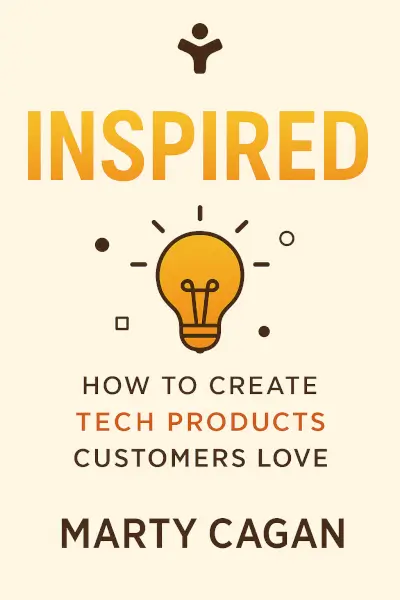
Inspired: How to Create Tech Products Customers Love
Ready to Take Action?
Get the Mentorist app and turn insights like these into daily habits.