Somatic Markers: The Brain’s Snap Judgments That Steer Every Decision
Picture yourself standing in a crowded sandwich shop, staring at the menu. Instead of rationally weighing ingredients or price, you point—almost automatically—at a brand or option that just ‘feels right.’ What’s at work isn’t random intuition, but a collection of mental shortcuts known as somatic markers. Born from lifetime experiences, memories, and frequent advertising, these instant emotional bookmarks help your brain sort choices at lightning speed, nudging you towards (or away from) options before you even realize it.
Researchers building on the work of Antonio Damasio found that these gut-level signals are both useful and fallible. They enable you to avoid “hot stove” situations without conscious thought, but they can also keep you stuck in unhelpful ruts—like always buying based on nostalgia, not actual quality. Sometimes, clever marketing implants somatic markers designed for their benefit, not yours.
Understanding and updating these markers involves bringing quick decisions into conscious reflection. That lets you build new, more purposeful 'gut feelings' over time, blending emotion and reason for better outcomes.
Next time you make a split-second choice, slow down and ask: what feelings or images just flashed through your mind? Trace those reactions—are they serving you, or trapping you in habit? If you find an old association running the show, try creating a fresh, positive link (like attaching your study snacks to memories of alertness rather than comfort). With each new decision, practice tuning your instincts toward your real values. It’s surprisingly freeing—try it with lunch today.
What You'll Achieve
Increase decision-making speed and confidence, transform unhelpful automatic responses into intentional choices.
Tap Into Your Gut—But Audit Its Triggers
Recall a recent quick decision you made.
Whether it's buying a snack, choosing a route home, or picking a shirt, note what came to mind instantly to guide your choice.
Break down the feelings and associations behind the decision.
Jot down any words, memories, or mental images linked to your choice (e.g., comfort, nostalgia, fear, status).
Assess whether these associations help or hinder you.
Notice when quick-firing 'gut feelings' come from repeated advertising, past experiences, or identity cues. Identify those driving positive decisions—and the ones holding you back.
Design a new association for an old pattern.
If you spot an unhelpful somatic marker (like always choosing the same brand for no reason), intentionally link it to a new feeling or action that serves you better.
Reflection Questions
- What brand or emotional triggers show up in your 'gut' decisions?
- How did these associations start—memory, experience, or advertising?
- Where are your snap decisions boosting or hurting you?
- What new cues could help reshape those quick decisions in your favor?
Personalization Tips
- A high schooler who always picks peanut butter because it 'feels right' traces those feelings back to a catchy old slogan and childhood routines.
- A first-year college student changes their default response from grabbing the popular energy drink to fact-checking ingredients after recognizing their choice is triggered more by color than need.
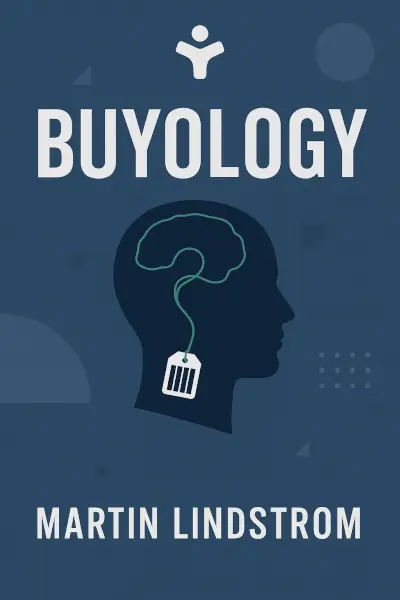
Buyology: Truth and Lies About Why We Buy
Ready to Take Action?
Get the Mentorist app and turn insights like these into daily habits.