The Surprising Power of Identity: When Brands Feel Like Belief Systems
Why does a simple logo, a team jersey, or a brand-specific color scheme feel almost like a membership badge to something bigger? Behavioral studies and brain scans show brands operate on many of the same psychological levers as religion: they offer symbols, rituals, stories, a sense of mission, and powerful feelings of belonging. For some, wearing an Apple watch or sipping from a Starbucks cup isn’t just about convenience—it’s a mark of identity, even a daily ritual that connects them to millions of others around the globe.
Researchers discovered that the same brain networks light up when people see images of beloved brands and when they see religious symbols or team emblems. Not only does this explain intense loyalty, it also makes clear why branding—like belief—can affect everything from voting and product choice to confidence, emotional well-being, and even group conflict. Marketers aren’t just selling goods, they’re selling a sense of purpose and inclusion, sometimes leveraging rivalries or shared histories to tighten the bond.
By understanding these dynamics, individuals can spot where their preferences align with real values, and where group identity has become habit or pressure. This is the path to both belonging and autonomy.
Pause and make a list of brands, teams, and communities you feel most loyal to—ones you defend or proudly showcase. Reflect on the emotional surge when you spot your colors, logo, or slogan, and be honest about the benefits you receive. Ask yourself if this is the best or only way to get those feelings, then experiment by exploring new affiliations. Try wearing a rival team’s hat, drinking a different brand, or joining a different group for a day. See what shifts. This exercise might surprise you—sometimes you’ll enjoy an expanded identity, and at other times, you’ll notice where you truly feel at home.
What You'll Achieve
Grow agency over identity formation, reduce automatic groupthink, and build intentional communities for personal and social growth.
Spot Where Brands Shape Your Identity
List products, teams, or causes you feel loyal to.
Think beyond just transactional relationships—identify where your emotional engagement with a brand or group feels almost like belonging to a club, team, or faith community.
Reflect on how group identity and symbols affect your choices.
Notice when seeing a logo, mascot, or specific color triggers a sense of belonging, pride, or rivalry.
Consider what benefits you get from brand or group affiliation.
Write out the emotional and practical perks you receive: friendship, confidence, special events, even status—then ask whether you could get those benefits another way.
Introduce more conscious variety into your affiliations.
Try supporting a different brand, team, or style for a week and see if your feelings change. Notice if your self-concept expands or resists.
Reflection Questions
- Which brands or teams do you identify with most—and why?
- What part of you feels seen or supported by this affiliation?
- Can you step outside your usual group or brand for a while? What does that shift reveal?
- How would your daily experience change with less brand or logo-centric thinking?
Personalization Tips
- A student who wears their school colors on game day feels instantly more confident and connected to their peers.
- A social media user realizes they get a dopamine boost every time their favorite brand’s logo appears in a feed, sparking a sense of pride and uniqueness.
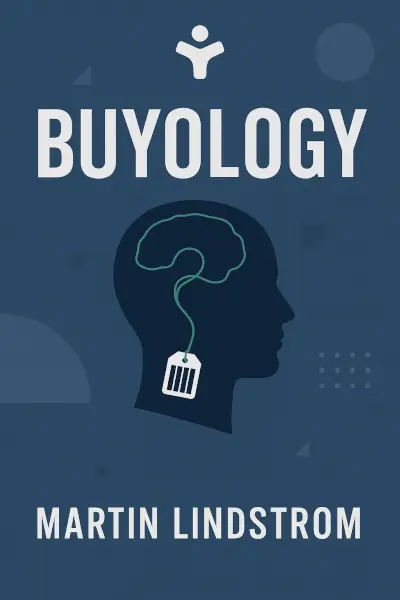
Buyology: Truth and Lies About Why We Buy
Ready to Take Action?
Get the Mentorist app and turn insights like these into daily habits.