Your Brain’s Secret Copycat: How Mirror Neurons Shape What You Buy and Who You Become
Imagine you spot your close friend tapping their pencil during math class, and moments later, you catch yourself doing the same. This isn't just a random quirk; it's the work of mirror neurons—tiny messengers in your brain designed to help you understand, connect, and even imitate the people you see. Neuroscience research shows these neurons light up not only when you take action but also when you watch others perform that action, or even read about it. That's why seeing someone yawn can make you yawn, or watching a dancer triggers a flicker of sensation in your own legs.
Media and marketing pros know this instinct runs deep. See a crowd enjoying a game? Your own excitement grows. Watch a celebrity unboxing the latest device on YouTube? Your hands itch to try it yourself. Peer groups and influencers aren’t just selling products—they’re transmitting emotional and behavioral patterns to you, by letting your brain virtually
Pay special attention to which behaviors you pick up from people or media around you. Notice when your posture, language, or interests shift in the presence of different friends or mentors, and be mindful of the things you choose to copy. Try deliberately seeking out role models whose attitudes or skills you want to adopt instead of leaving it to chance. Reflect on the subtle ways media and group rituals shape your choices—the more you see it, the more power you have to decide what sticks. Give positive imitation a shot on your next team project or skill-building session.
What You'll Achieve
Increase emotional awareness, choose better influences, and accelerate skill development by intentionally using imitation for positive change while avoiding mindless copying.
Harness Positive Imitation in Everyday Life
Notice when you mimic people around you.
Every day, pay attention to small gestures you subconsciously mirror: posture, speech, fashion, or habits. See if this happens at school, in your family, or online.
Deliberately surround yourself with role models.
Choose people—friends, influencers, or even fictional characters—whose behaviors or attitudes you'd like to see in yourself. Let their example nudge your own habits.
Reflect on how media, teams, or social groups influence you.
After exposure to a trend, advertisement, or group, consider: Did your preferences shift? Would you have made the same choice on your own?
Practice intentional mimicry for skills you want to master.
When learning a new activity or attitude, try consciously imitating successful people, then reflecting on what feels authentic to you.
Reflection Questions
- Where in your life have you noticed yourself picking up habits or attitudes from others—good or bad?
- How does your mood shift when surrounded by positive or negative groups?
- Which influences or 'mirror moments' have moved you closer to who you want to become?
- How are your purchase decisions affected by what you see other people doing?
Personalization Tips
- A student who starts running after watching their favorite athlete’s training vlog develops a daily jog habit over time.
- After seeing classmates wear a new brand of backpack, a teen who initially disliked the style begins to want one, feeling unexpectedly connected.
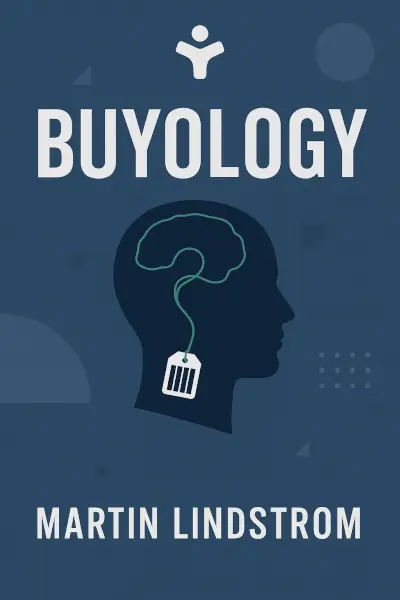
Buyology: Truth and Lies About Why We Buy
Ready to Take Action?
Get the Mentorist app and turn insights like these into daily habits.