Why Most Warnings Don’t Work—and Can Even Fuel Bad Habits
In large public health campaigns, graphic warnings on cigarette packs splash images of diseased lungs and bold letters proclaiming, 'Smoking Kills.' The intention: shock people into quitting. Yet, as researchers observed in detailed brain scan studies, these warnings often missed their mark. Among thousands of smokers, fMRI scans revealed that the more graphic and forceful the warnings, the more strongly they activated the brain’s nucleus accumbens—the so-called craving center. Far from suppressing the urge, scare tactics sometimes stoked desire, perhaps by reminding smokers of rituals, rebellious feelings, or simply creating a stressful association that their old habit could relieve.
Real people weren't deceiving researchers out of malice; interviews confirmed they genuinely thought warnings made them want to cut back. But probe a layer deeper, and their brains consistently told a different story. Emotional triggers, especially fear and guilt, didn’t always lead to self-control—sometimes they fueled consumption as a form of escape or validation. The contradiction between conscious belief and subconscious response is a classic behavioral science lesson: motivation does not always work in linear, logical ways.
These findings hold true beyond tobacco. Whether it's junk food, texting while driving, or excessive screen time—warning messages rarely outperform motivational, identity-focused cues. Understanding how our brains can turn defensive or even rebellious in response to pressure is a key to designing healthier habits. The science is clear: reducing risky behavior often requires more than shouting warnings; it demands a shift in how the message makes us feel about ourselves and our choices.
Start by observing the warnings you see on packages, in schools, and on public signs—don’t just skim them, consider how each one makes you feel. Rather than just thinking about the content, reflect: does a stern notice about tardiness actually inspire you to be early, or do you find it just ramps up stress, making you want to run away or rebel? If you catch yourself ignoring or even craving what you’re being warned about, accept this is how the brain sometimes responds to pressure. That gives you permission to consciously insert different cues—maybe connecting with a friend, picturing yourself nailing your goal, or sketching out what success genuinely looks like for you. So next time a warning pops up, let yourself notice both the feeling and the response, and invite in a better cue. Try it next time you're tempted by something
What You'll Achieve
Cultivate emotional awareness of warning messages, build resilience against manipulative or fear-based cues, and create healthier, self-designed triggers for habit change.
Rethink How You Respond to Scare Tactics
Notice common warnings in your daily environment.
Whether it's health labels on food, cigarette packaging, or bold notifications, pay attention to where warnings appear and how you instinctively feel or respond.
Reflect on emotional reactions, not just logic.
Pause for a moment. Instead of asking yourself what you think about the warning, notice what you feel—do you get a craving, guilt, annoyance, or do you tune it out?
Identify if warnings trigger desire instead of restraint.
Ask yourself if exposure to warnings about unhealthy habits (smoking, junk food, risky behaviors) makes your cravings increase. Remember: sometimes, fear or guilt can backfire.
Experiment with alternative cues for change.
Replace scare-based reminders with positive, supportive, or identity-driven cues—such as envisioning success, community support, or focusing on joyful alternatives.
Reflection Questions
- When you see a warning, what emotion do you feel first—fear, guilt, curiosity, rebellion, or something else?
- Have you ever noticed a time when a warning made you want the forbidden thing even more?
- What positive reminders, rather than warnings, could help you stick to your goals?
- How might you reframe your reaction to guilt-based advice in other parts of your life?
Personalization Tips
- A student receives repeated grades warnings from teachers but finds themselves procrastinating more instead of less.
- After seeing graphic health warnings on junk food, a teenager feels an odd urge to buy the snack, realizing shame didn't suppress their craving.
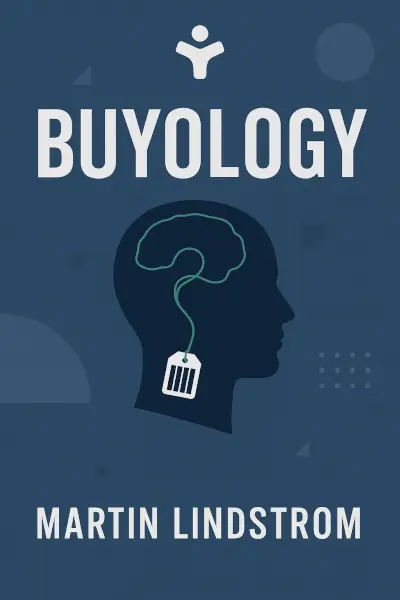
Buyology: Truth and Lies About Why We Buy
Ready to Take Action?
Get the Mentorist app and turn insights like these into daily habits.