When Authenticity Makes or Breaks Your Story—Why Fibs Can Win but Frauds Always Fail
Take two companies: one tells a bold story—that using their wine glass will make any vintage taste spectacular. The second company, in the same niche, says their president answers the customer service calls personally, with care. Turns out, in blind taste tests, there’s no real difference between glasses, but wine lovers insist theirs taste better in the ‘special’ glass. In the other story, the supposed founder-voice is an actor recording scripts, and when customers need help, service slips drastically. Which one stands the test?
The first case, while a mild ‘fib’, gets support from the customers’ desire to believe, and the company and users both work to make the story come true—they even enjoy the feeling, making it real. The second is fraud: when the truth leaks out, customers feel duped, and trust is ruined. The distinction isn’t just moral; it’s practical. Only authentic stories, even if a bit magical, create lasting brands. Scams, or even small lies that don’t hold up, collapse fast in an age where every experience can be shared or fact-checked instantly.
Take five minutes to write down exactly what your story claims—think about what people expect when they work with you or try your product. Then, step outside your usual role and see if every step, from first contact to final result, actually fulfills these promises. If you spot anything that’s just for show or can’t stand some tough questions, rethink or replace it with something real. Be relentless about authenticity, and you’ll not only avoid scandals—you’ll find your reputation growing more robust with every interaction.
What You'll Achieve
Externally, you’ll avoid damaging trust-killers and cultivate loyalty as people realize your stories actually hold up over time. Internally, you’ll develop a deep sense of responsibility, transparency, and pride in your work.
Live the Story You Tell, Ruthlessly Weed Out Inconsistencies
List the core promises your story makes.
Write out what people will expect after engaging with your product, service, or idea.
Test whether your team or process truly delivers on those promises.
Pretend you’re an outsider—can you spot steps where your story gets exaggerated or compromises reality?
Scrap any element that can’t stand up to scrutiny.
Replace half-truths or hype with real experience and practices—give people stories that hold up under real-world testing.
Reflection Questions
- Which of my promises might seem suspicious to a skeptical outsider?
- What elements of my story am I most proud to defend?
- If my story crumbled, how would I feel about facing my customers?
Personalization Tips
- A school club that promises inclusion backs this by always welcoming new faces and not just featuring friends in photos.
- A start-up that markets ethical products stops using stock photos of factories and shows their real workers’ stories.
- A family therapist checks that all service promises are supported by careful, realistic intake and follow-up.
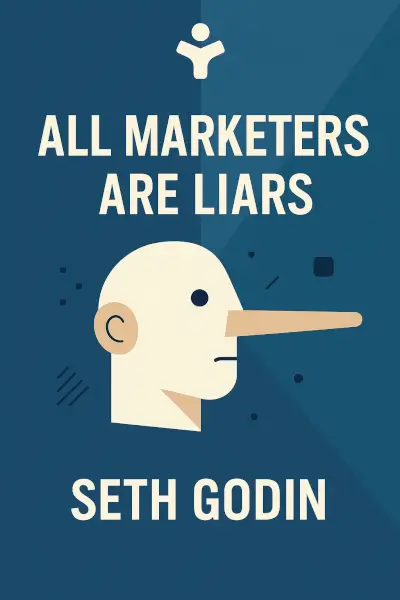
All Marketers Are Liars: The Power of Telling Authentic Stories in a Low-Trust World
Ready to Take Action?
Get the Mentorist app and turn insights like these into daily habits.