Why Finding and Empowering a Team of 'Soulmates' Beats Lone Genius Myths
A software startup begins with a lone coder, certain his brilliance will carry the day. He writes the program, does the design work, and even posts on social media. Months pass—progress crawls, motivation dips, and bugs go unfixed as criticism mounts. The work is too much for one mind.
Enter his former classmate, a natural communicator and relationship-builder. Although their personalities sometimes clash, her presence injects new energy. She seeks partnerships, connects with early customers, and manages tricky conversations with suppliers. Soon, their circle grows—a third team member joins, covering logistics and quality control with a steady hand. Problems that seemed overwhelming now split into manageable chunks, with each member stepping forward where the others lag.
This diverse team doesn’t always agree. Arguments pop up, but they resolve issues faster and take bolder risks than the founder ever would alone. Behavioral science research, especially social interdependence theory, demonstrates that collaborative, cross-skilled teams outperform solos by leveraging varied cognitive perspectives and distributing the emotional load of setbacks.
Think back on projects where you thrived with a teammate’s support, and reach out to someone who brings different skills than you do. Take time to clarify and write down your primary roles and shared mission—don’t dodge hard discussions. Celebrate strong opinions and unique talents—they’re your secret weapon, not a liability. When you build on your team’s diversity, every challenge shrinks and growth accelerates.
What You'll Achieve
You'll trade burnout and tunnel vision for creativity, support, and stamina. As you assemble a team with complementary skills, you unlock faster problem-solving and deeper resilience in the face of obstacles.
Build Your A-Player Tribe with Complementary Strengths
Identify one or two partners who energize you.
Recall collaborations where you’ve felt less tired, more inspired, or learned more. Seek out people who push your thinking and fill in your weaknesses.
Recruit unique skills rather than clones.
Avoid the comfort of only working with similar personalities or friends. Pinpoint key gaps—sales, tech, operations—and bring in those who shine where you don’t.
Set clear roles and celebrate diversity.
Put responsibilities in writing, emphasizing each person’s distinct contribution. Encourage healthy disagreements as the fuel for better solutions, not signs of dysfunction.
Reflection Questions
- Where do you consistently struggle when alone?
- Who challenges you to grow or see things differently?
- Are any team roles duplicated—or missing entirely?
- How do you encourage disagreements without personal attacks?
Personalization Tips
- For student projects: Pair up with someone whose strengths directly balance your weak points rather than a best friend with the same skills.
- In sports: Coaches build mixed squads where each member has a vital specialty (defense, attack, support).
- Launching a non-profit: Find volunteers who love fundraising if you prefer program design, creating a duo that covers more ground.
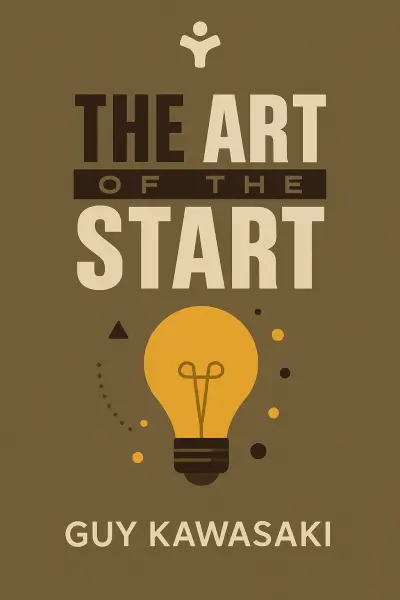
The Art of the Start: The Time-Tested, Battle-Hardened Guide for Anyone Starting Anything
Ready to Take Action?
Get the Mentorist app and turn insights like these into daily habits.