Embrace Bootstrapping—Managing for Cash Flow in a World Obsessed with Growth
Imagine launching your business by pouring over spreadsheets with massive, pie-in-the-sky numbers. You find comfort in projections showing millions in profit, even if it will all arrive two years from now. Yet, month after month, you scramble for rent, vendors cut you off, and stress builds, because no real cash is coming in.
Contrast this with the grind of a bootstrapped founder. She skips flashy offices and focuses ruthlessly on products that pay immediately. Her journal has numbers, not just hopes—a small steady stream of dollars, sometimes just enough for tomorrow’s lunch. Every extra service, every negotiation, centers around one thing: will this bring cash in time to keep us alive? People might scoff: 'You're playing small.' But, over time, her balance sheet solidifies. The business is nimble, surviving while rivals with big talk and no paid bills go under.
This mindset is grounded in the behavioral financial principle of focusing on what you can actually control: observed income, clear expenses, and quick wins. Research shows that immediate rewards are far more effective for motivation and sustainability than delayed, uncertain payoffs. Designing for true cash flow anchors you in reality, protects your mental health, and gives you options when others are drowning in fantasy.
Rethink your revenue plan and line up work where customers pay fast—even if it’s less glamorous. Each day, log every dollar that comes in and goes out. Resist the urge to spend money you don’t actually have yet, and price your work to guarantee quick, steady cash flow, not hypothetical profits. Make bottom-up projections based on your real-world capacity and celebrate every small win—but don’t let paper dreams distract you.
What You'll Achieve
You'll build financial resilience and peace of mind by focusing on what's actually under your control. This approach lets you stay afloat in tough times and seize real opportunities when others are paralyzed by cash shortfalls.
Design for Cash Not Just Paper Profits
Choose a business model that pays quickly.
Prioritize products or services with short payment terms and immediate customer demand. Say no to potential deals that delay payment, even if they look impressive on paper.
Track your cash flow daily for the first few months.
Use a simple journal—record every inflow and outflow. Spot trends early and avoid surprises. Adjust pricing or payment terms if you see any dangerous shortfalls arise.
Repeat the mantra 'top-down means belly up' before setting revenue targets.
Start with the resources and leads you realistically control, not broad market projections. Calculate sales bottom-up by actual calls, meetings, or units you can reach.
Reflection Questions
- How does cash flow stress affect your mood and focus?
- Are you prioritizing deals based on cash timing or paper returns?
- When have you regretted counting on money that didn’t come in?
- How can you add a cash-based milestone to your weekly routine?
Personalization Tips
- Side hustle: Track your weekly sales and costs for your resold items, focusing on repeat, quick-pay customers.
- Freelance work: Set rates based on work delivered and insist on payment upon completion, not months later.
- Family budget: Plan monthly spending only from money in the bank, not anticipated raises or windfalls.
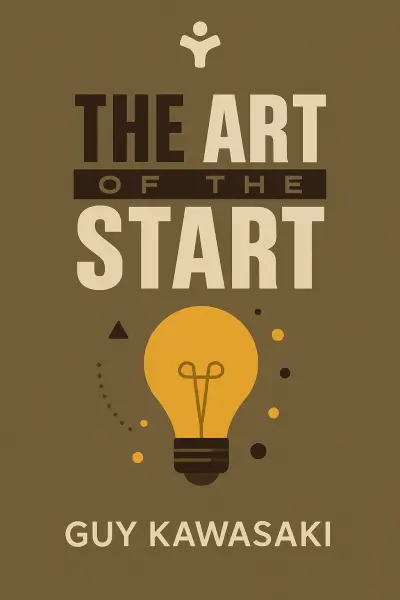
The Art of the Start: The Time-Tested, Battle-Hardened Guide for Anyone Starting Anything
Ready to Take Action?
Get the Mentorist app and turn insights like these into daily habits.