From Guilt to Growth—Turning Gift Economies and Free Contributions Into Meaningful Rewards
Giving feels good, yet in a world that prizes hustle and productivity, giving time or energy for free can evoke guilt or doubts. But research shows that gift economies—where contributions are made without direct payment—can power surprising personal growth and happiness. In online spaces, users who support, teach, or share become trusted leaders. Their skills sharpen; their reputations grow subtly with every genuine effort.
This is not just altruism. Behavioral science uncovers two deep drives: a hunger for community and a need for recognition. When a hobbyist moderates a subreddit or a teen mentors classmates, the cycle of giving strengthens self-esteem, builds reciprocal loyalty, and sometimes leads to unexpected rewards—new job offers, friendships, or portfolios.
The key is intention. By aligning free contributions with personal or professional goals, giving is both an act of generosity and a tool for self-actualization—a step up Maslow’s pyramid. Mindful giving, reflected on and planned, becomes a habit that fills, not drains.
Set aside a moment this weekend to notice the ways you already give freely—a text of encouragement here, an Instagram story with useful tips there. Let the sense of satisfaction soak in, and consider which kind of giving fuels you most: learning, connecting, or getting noticed for your expertise. To grow even further, pick one new opportunity—maybe teaching a peer, helping online, or joining a volunteer project—that matches your big-picture aspirations. Mark your calendar, follow through, and let your gift drive growth.
What You'll Achieve
Greater emotional satisfaction, increased skills, deeper community connections, and a practical path from volunteer work to concrete life opportunities.
Design a Giving Strategy That Also Grows Your Skills and Happiness
List ways you already contribute for free—big or small.
Note all the ways you volunteer, give feedback, or share creations: online, at school, in your community. Include small acts that seem insignificant.
Reflect on why you give—beyond just generosity.
Consider if you’re seeking community, self-expression, skill growth, or reputation. Notice patterns and emotional payoffs.
Plan one new free contribution aligned with your biggest personal or career goal.
Pick a way to give that also stretches your expertise or connects you to new people. Set a date on your calendar and commit.
Reflection Questions
- What free contributions make me feel proud or grateful afterwards?
- How does my giving connect to what I most want to grow or learn?
- Which new opportunities could I try that benefit both others and myself?
Personalization Tips
- A budding writer posts a helpful how-to in a forum, learning by teaching and gaining new followers.
- A parent volunteers to coach a team, deepening local friendships and alumni networks.
- An aspiring coder offers free workshops, gaining technical confidence and building a future résumé.
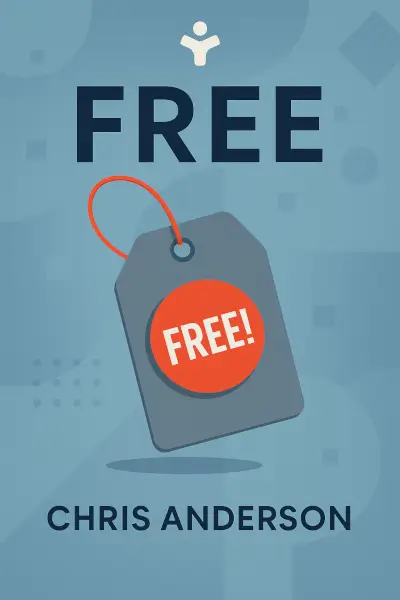
Free: The Future of a Radical Price
Ready to Take Action?
Get the Mentorist app and turn insights like these into daily habits.