Navigating the Paradox of Free—Understanding Economic Gravity and Market Disruption
In classic economics, the Bertrand model predicts that in a competitive market, price falls to marginal cost—the extra cost to produce one more unit. For digital goods, that cost is often close to zero. When the software is downloadable in seconds or music is streamed endlessly, the price inevitably drops toward zero, pulling down old, higher-priced business models with it.
History bears witness: encyclopedias that sold for hundreds per set were replaced by $99 CD-ROMs, then wiped out by Wikipedia—free to all. Each wave made access easier and broader but left previous leaders scrambling to adapt. In music, movies, news, and education, the same gravity applies: pure competition plus low marginal cost equals 'free.'
But this shift isn’t doom for everyone. Those who anticipate the drop—offering premium features, community, reliability, or expertise—carve new, valuable spaces. For others, failing to pivot means being swept away by digital gravity. Behavioral economics reinforces this: markets with freed supply reward those who spot scarcity early, not those who cling to old models.
Today, list out the digital tools, apps, or resources that are nearly free in your routine, and match them to any paid versions or professionals you know doing similar work. Stop and consider which of these could lose value next. It's time to plan your move—can you add unique insights, live interaction, or super-personalized experiences? Outline your top two adaptation ideas, so you stay ahead as prices keep falling and abundance rewrites the rules.
What You'll Achieve
Ability to predict industry shifts, make proactive changes, and maintain relevance and value in markets moving toward zero price.
Use the 'Law of Zero Marginal Cost' to Predict Change
Identify which digital products or services in your world have falling or near-zero costs.
Think about information, media, tools, or platforms you use for free or almost free. Document examples—cloud storage, newsletters, music, open-source software.
Forecast what traditional paid alternatives are most at risk.
Consider which services or people are still charging for similar offerings and how long their prices can last in a competitive digital market.
Plan how to transition or reposition before disruption hits.
If you rely on a paid service in a zero-cost domain, work out how you could pivot to offering premium versions, niche expertise, or adjacent value. List your top two pivot strategies.
Reflection Questions
- Where do I see prices falling fastest in my life or work?
- What premium or scarce value can I offer as markets get disrupted?
- How can I proactively plan instead of reacting when change arrives?
Personalization Tips
- A student predicts which school resources will shift from paid to open access and chooses skills to add value beyond content memorization.
- A podcaster offers premium, interactive live sessions in addition to abundant free audio.
- A designer moves from selling digital assets to offering expert consulting and workshops.
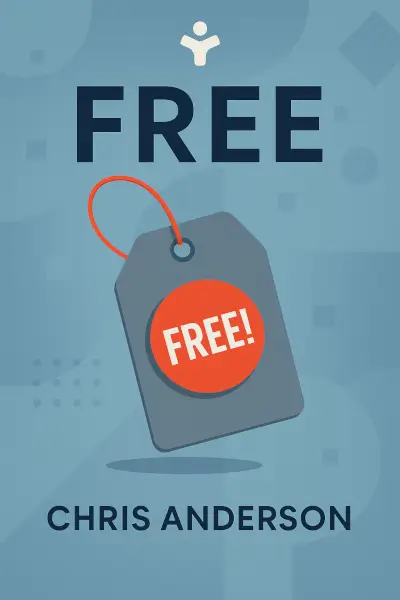
Free: The Future of a Radical Price
Ready to Take Action?
Get the Mentorist app and turn insights like these into daily habits.