Why Zero Is Not Just Cheaper—It’s a Psychological Game-Changer
Imagine you’re at a conference: tables groan under piles of free pens, snacks, and tote bags. Nearly everyone you see grabs at least one, sometimes without a second thought. The heady rush of getting something for nothing is universal, yet not all conference swag is created equal—most of it ends up tossed, forgotten, or stuffed in a drawer. This trivial example masks a deeper truth: the shift from almost-free (a single cent) to absolutely free dramatically changes our willingness to act.
Extensive studies in behavioral economics show a consistent “penny gap”—the move from 1 cent to 0 dramatically increases response rates, not because of the cost but because paying any amount creates an active decision. When something is free, our mental guard drops, the 'is it worth it?' question is set aside, and perceived risk vanishes. But this openness exposes us to new dangers: wasted time, impulsive choices, or hidden data costs.
When digital products, services, or information are free, the same logic scales massively. Zero price gets us to try, share, or spread things at rates no minor price discount could touch—which is why companies, startups, and even scammers design so aggressively around this principle. Sometimes ‘free’ is truly a gift, other times the hook for attention, loyalty, or a future upsell.
Understanding this shift is crucial. Doing so lets you separate real value from illusion, and harness the power of zero price as a motivator. Behaviorally, the penny gap is less about economics and more about decision-making, mental effort, and the psychology of value.
Next time you're offered something for free—whether that's a sample at the grocery store, a free app, or a download—pay attention to your gut reaction. Before grabbing it, pause a moment and ask yourself what's actually being exchanged: is it your time, maybe a bit of your personal info, or just a fleeting burst of excitement? Make it a habit to set a simple rule: if the freebie doesn't fit your true needs, skip it confidently, knowing you've just freed up space and focus for what matters more. Give it a try tonight—you might notice the real value in what you choose not to take.
What You'll Achieve
Sharpen your awareness of how zero price distorts your choices, leading to less impulsive decision-making, less wasted time on clutter or distractions, and a more conscious approach to offers, services, and attention in your daily life.
Make Zero-Price Decisions Without Falling for Mental Traps
Notice your reaction when offered something for free.
Pay close attention to your gut response the next time you see a $0 price tag—excited? Suspicious? Indifferent? Reflect on how you might treat the same item if it cost even a penny.
Pause and identify hidden motives or costs.
Before acting, ask yourself: Is this truly free, or are there indirect costs (time, attention, reputation, information sharing)? Write down at least one possible trade-off.
Set a simple decision rule for low-value freebies.
For small, tempting offers, quickly decide: 'If this doesn't fit my real needs or interests, I’ll skip it,' avoiding clutter, wasted time, or overcommitment.
Reflection Questions
- What is your typical first reaction to 'free' offers—excitement, skepticism, or indifference?
- Can you recall a time when taking a free item actually cost you something later (time, attention, hassle)?
- How often do you pause before accepting a free offer to weigh the hidden costs?
- How could setting a rule for free offers change your sense of control?
Personalization Tips
- At a job fair, resist grabbing all the free swag unless you truly need it.
- In online games, weigh whether a free trial is worth your time versus the risk of getting hooked and upsold.
- When considering a free online tool, pause to check if you're paying with your email or attention rather than cash.
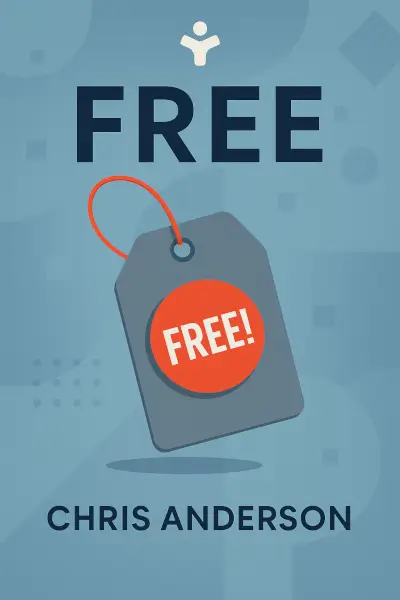
Free: The Future of a Radical Price
Ready to Take Action?
Get the Mentorist app and turn insights like these into daily habits.