Why Your Sense of Rebellion Might Be Manufactured—How Brands Package ‘Cool’
During the late 1980s and 1990s, brands realized that ‘cool’ wasn’t about tradition—it was about signaling independence, non-conformity, even a dash of rebellion. Marketers and ‘cool hunters’ started tracking underground styles, niche music, and subversive art, repackaging them into mass-market products. Hip-hop, punk, and even anti-corporate slogans were quickly commercialized—think of how Nike, Tommy Hilfiger, and energy drinks now market themselves as 'the choice of rebels.'
Social scientists refer to this as the ‘co-optation of counterculture,' where fringe identities become mainstream precisely because brands have the power to mass-distribute and glamorize them. Teens and young adults, seeking to stand out, are often paradoxically pushed into new uniformity—ironic T-shirts, distressed jeans, and slogans pre-printed by megacompanies. Studies show that these branded signals can override genuine self-expression and stifle grassroots innovation, especially when everyone’s rebellion comes pre-packaged.
In practice, many people fall into buying what feels like self-definition, only to find it’s the latest offering in the chain store window. Recognizing this cycle is the key to breaking free, allowing actual creativity and independence to flourish again.
Think back on a brand that positions itself as edgy, anti-mainstream, or rebellious. Jot down what message it’s really sending, and if you or someone you know has ever been drawn in by this presented difference. Then, look for patterns: are your choices truly offbeat, or are you riding a trend that’s been expertly marketed? Take it further—set two 'rebellious' brands side by side and see if their goals or their audiences are actually very different. Let yourself question whether you’re consuming rebellion or living your own version; this can start to change the way you express yourself, one choice at a time.
What You'll Achieve
Achieve greater self-awareness about what’s authentic in your style or identity, making room for real creativity and individual voice instead of buying into mass-produced rebellion.
Spot and Detangle Branded Rebellion in Your Life
Recall a brand that markets itself as rebellious or 'anti-mainstream.'
Write a short paragraph describing the message behind the brand—what kind of rebellion or outsider status does it sell?
Check if you, your friends, or classmates have ever adopted a style, phrase, or product because it felt 'different.'
Reflect on whether this difference was truly outside the mainstream or was promoted through ads, celebrity endorsements, or cool-hunting tactics.
Compare at least two 'rebellious' brands or products to see if they actually serve different goals or push you toward similar behaviors.
Ask yourself: Am I consuming rebellion, or am I creating my own path?
Reflection Questions
- How do I know when I’m being authentic, not just following a branded script?
- When did I last create my own trend, not just pick up what was sold as 'cool'?
- Can rebellion become just another form of conformity if brands are in control?
Personalization Tips
- You buy a band’s T-shirt because it signals ‘not caring’ about mainstream trends—only to see it sold in every chain store by season’s end.
- A sneaker brand collaborates with artists and runs edgy ads, but its products are made in the same factories as the ‘boring’ brands.
- At university, everyone jokes about liking ‘retro’ or ‘ironic’ pop culture, but the irony itself is guided by advertising.
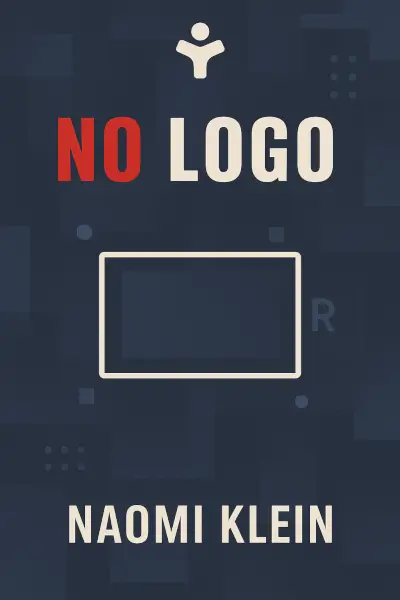
No Logo
Ready to Take Action?
Get the Mentorist app and turn insights like these into daily habits.