Why Believing ‘Brands Are Just Products’ Blinds You to Their True Power
For most of the 20th century, companies strove to be known for their production quality—their 'things.' But as times changed, a subtle revolution swept through: instead of manufacturing just shoes or jeans or computers, companies began investing heavily in the idea, emotion, and identity behind their products. Nike said it wasn’t a shoe company, but a pathway to personal achievement; Starbucks insisted you weren’t buying coffee, but joining a soulful community.
Consider walking through a mall or scrolling your phone today. It’s not just colors and packaging you’re seeing. You’re being met with stories, aspirations, and ways of life. Each product competes not just on price, but on what it convinces you it represents—strength, belonging, intelligence, rebellion. The T-shirt with a logo on your chest, the phone with an ‘in’ crowd feel, the drink that claims to be the heart of every adventure: these are brands building meaning on top of everyday objects.
This shift shapes how people form cliques, how companies value themselves (sometimes paying billions only for a name), and even how our cities and schools are designed. It’s why you’ll see brands sponsoring every aspect of culture, from music festivals to textbook covers. Brands have become powerful not just by selling goods, but by selling identity and a slice of collective imagination. Understanding this, you become more aware of how subtle—and sometimes overwhelming—the reach of branding really is. Psychological studies back up how easily stories and status can sway human preference, often overriding objective value.
Start by picking out one item you use every day—a backpack, a phone, or even your favorite snack. Take a minute to notice what truly drew you to it: is it practicality, or is it the vibe or promise that comes with the brand? Next, keep an eye out for three brand messages you come across this week, whether on billboards, social feeds, or in the hallway at school. What are they telling you about who you could be? Finally, recall a time when you felt you had to fit in because of what you owned or wore. Write it down—just a few lines. Seeing how brands connect to your choices helps you reclaim agency, so give it a try today.
What You'll Achieve
Grow conscious of how branding strategies influence your decisions and social identity, increasing resistance to automatic conformity and empowering you to see through manipulative marketing tactics.
Start Noticing Brand Narratives in Everyday Life
Pick a favorite product you own.
Examine why you chose it—was it purely for function, or did aspects like reputation, logo, or cultural image enter into your decision? Write down your reasons in two columns: product qualities vs. perceived brand meaning.
List three brand messages you've absorbed this week.
Think about ads, social media, clothing, or even conversations. What did each suggest about how you'd feel, what you’d become, or what group you’d belong to by choosing that brand?
Note one time you felt pressure to ‘fit in’ through a branded choice.
Describe the situation (e.g., clothes at school, phone upgrades) and how branding might have contributed to your feelings.
Reflection Questions
- Which brands do I identify with, and why?
- How often do I choose products for the image rather than actual need?
- When have I felt most pressured by branding, and what would I do differently knowing this now?
Personalization Tips
- In school, you notice that only students with a particular shoe brand are considered part of the 'cool' group.
- At work, you spot how job applicants feel they must mention their experience with big-name companies.
- When choosing a laptop, you realize you’re drawn to the same one your favourite YouTube creator uses.
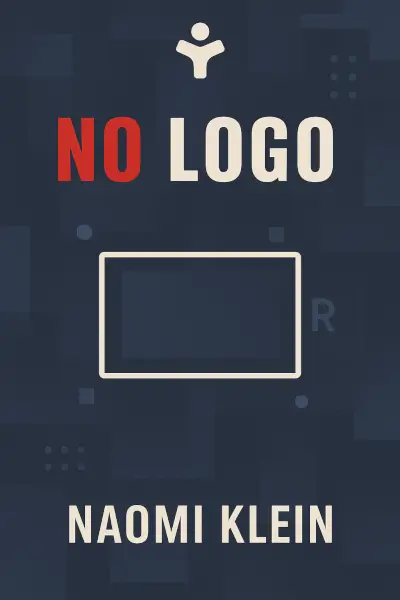
No Logo
Ready to Take Action?
Get the Mentorist app and turn insights like these into daily habits.