Quitting Is Not Failure—It's an Intelligent, Strategic Choice
Doug, a high-performing manager in a thriving tech company, had cycled through nearly every internal department over fourteen years. Despite promotions and respect, he realized one Monday that his reputation was cemented—no one saw him as stretch material anymore. He wasn’t unhappy, but he felt himself plateauing, working hard in a role that no longer built new skills or shifted his trajectory.
Instead of pushing through for another decade out of inertia, Doug made a checklist. He noted the warning signs—no new growth, declining excitement, and the feeling of being 'branded' as only suitable for lateral moves. Importantly, he asked himself, what do I really want? The answer: a new challenge, not just more of the same.
Once Doug mapped out his broader ambitions, he began searching discreetly, taking classes to upgrade his skills, and networking outside his usual circles. By the time he resigned, his next move was clear. He didn’t quit into a void—he left so he could grow again.
This story highlights a key strategic distinction: quitting tactics that no longer serve your larger goals isn’t failure. In fact, it’s essential to long-term fulfillment and progress.
Before jumping ship, pause and write your list of red flags—the clear signs telling you it’s time to move on, such as lost learning, persistent stress, or doors closing. Clarify your personal mission, so you know that quitting isn’t giving up but pivoting to serve your real purpose. Then, take active steps—sign up for a course, reach out to a mentor, or update your portfolio—to ensure you’re heading somewhere meaningful before you exit. This checklist doesn’t just prevent rash decisions; it helps you quit with confidence and momentum. Try using it the next time you consider a big change.
What You'll Achieve
Replace guilt or fear around quitting with clear, positive action that protects your happiness, maintains momentum, and aligns your actions with your bigger purpose.
Create a Pre-Quit Decision Checklist
List warning signs indicating it’s time to quit.
Include lack of growth, negative health impacts, zero progress despite repeated effort, or an irreversibly toxic environment.
Articulate your broader goal or mission.
Clarify whether quitting this tactic or role serves your larger strategy, purpose, or happiness.
Plan your next positive step before quitting.
Avoid quitting into a void; outline exactly how you’ll redirect your time and focus once you leave.
Reflection Questions
- What evidence do I have that it’s time to let go, and am I ignoring it?
- How does this decision fit my long-term vision or mission?
- Who can help me make a plan for life after quitting?
- What positive steps can I put in motion before making my move?
Personalization Tips
- Quit a dead-end position after outlining your vision for a new role or company.
- Let go of a draining friendship while already investing in new, positive relationships.
- Leave an obsolete product line once you have a plan for innovation or upskilling.
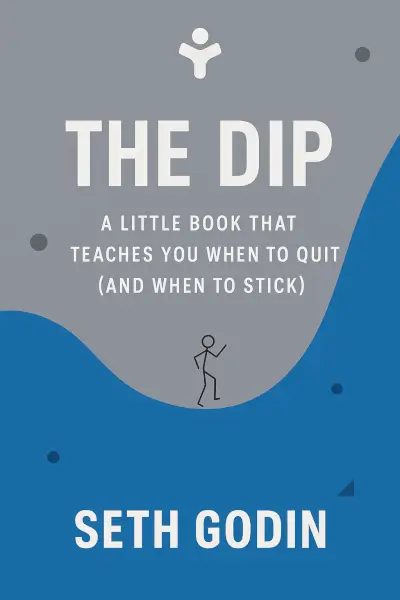
The Dip: A Little Book That Teaches You When to Quit (and When to Stick)
Ready to Take Action?
Get the Mentorist app and turn insights like these into daily habits.