The Surprising Power of Leading Without Authority in Any Group
You notice your coworkers constantly joke about how inefficient your team’s meeting schedule is. After a few weeks, you decide to do something besides just commiserating. On a rainy Tuesday, you send a quick message to a few colleagues, inviting them for coffee to talk about what’s not working. The conversation is relaxed, people laugh as they swap stories about email chaos and calendar mishaps. During the chatter, you suggest creating a simple shared calendar for everyone to mark critical events. Someone else offers to help set it up.
By Thursday, there’s a buzz about the new shared calendar. Team members begin suggesting tweaks and it becomes a small project that others want to join. One person even brings in cookies to the next “calendar crew” get-together. The energy shifts; people start to look for other problems you all might tackle next.
This is an example of bottom-up leadership: you didn’t wait for a title or ask for permission. By connecting people around a shared challenge and making communication easy, you fostered a “tribe” that moved from passive frustration to active problem-solving. Behavioral science shows that group identity and peer-to-peer communication are the foundation for lasting collective action. Small, informal beginnings are often how real leadership starts, regardless of your official authority.
If you’re feeling stuck or waiting for someone else to make things better, pause for a moment and look for a problem that quietly frustrates your group. Invite a few peers to discuss—even informally—what could be different. Set up a simple channel where everyone can talk and share ideas. Take the initiative by proposing an experiment, no matter how small, to address the problem you’ve all noticed. It’s often the person who acts, not the one with the title, who energizes others. So try this today: reach out, gather, and get the ball moving.
What You'll Achieve
Grow your confidence to lead meaningful change without waiting for formal authority. Build stronger connections and improve team or group effectiveness—while developing resourcefulness and resilience.
Ignite Change from Wherever You Stand Today
Spot a shared interest or problem.
Look for an issue, passion, or opportunity that affects people around you—at work, in school, or in your social group. Notice patterns in conversations or recurring frustrations others mention.
Connect people and start conversations.
Reach out to a few people who share your interest or concern. Start a dedicated group chat, meeting, or even a casual lunch to discuss possible solutions or ideas.
Offer simple tools for communication.
Set up channels like a WhatsApp group, email thread, or online forum where members can easily share updates, stories, and resources.
Initiate small action or experiment.
Propose an easy first step—like a mini project, event, or social challenge. Take the risk of putting your idea into motion and invite others to join in, regardless of formal roles.
Reflection Questions
- What frustrations or missed opportunities have I noticed that others share?
- Who could I invite into a conversation about improving things?
- What’s the smallest step I can propose to test a new idea together?
- Why am I hesitating to act—and what’s the real risk?
Personalization Tips
- In school, gather classmates to organize a study group when no teacher has initiated one.
- At work, connect teammates who are frustrated with outdated processes and lead a brainstorming session.
- Within a social circle, rally friends to volunteer at a local charity, even if you’re not the host or manager.
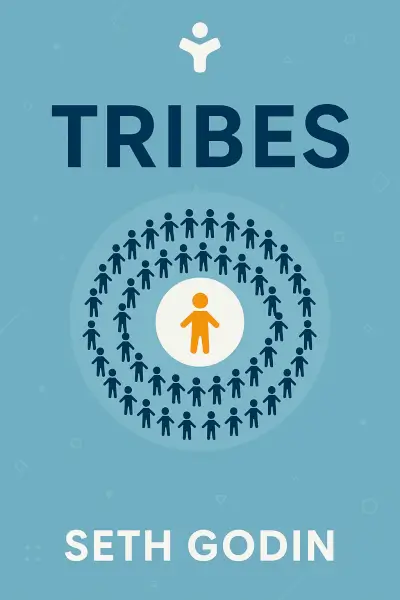
Tribes: We Need You to Lead Us
Ready to Take Action?
Get the Mentorist app and turn insights like these into daily habits.