Turning Failure into Fuel: The Art of Openly Owning Mistakes
When the system you’ve spent months building keeps breaking, it’s tempting to disappear or sugarcoat what happened. But picture the impact when, instead, you take to your company’s blog and explain—not with dry caution, but with humility and even the odd joke—exactly why things went wrong, whose cat starred in the error message, and what steps you’re taking to fix it. You don’t spin, you don’t blame, but you do invite the community in.
More often than not, people respond not with anger but with empathy—and sometimes even with unexpected pizza deliveries, as your users see you as human and committed, not cold or corporate. One notorious technical failure led to the creation of a beloved company meme—a cheerful cartoon whale symbolizing both the burden and the collective effort of keeping things afloat. Instead of diminishing credibility, this vulnerability drew people closer.
Psychologists call this the “benign violation effect”—people connect and trust more when leaders admit errors with good intent and a clear improvement plan. In professional and personal settings, open reflection, not perfectionism, fosters resilience, learning, and lasting relationships. Owning your errors doesn’t just soften the blow—it can become part of your brand.
Start by writing down a mistake that’s still on your mind, even if it stings to see it on the page. Instead of hiding it, talk about it—to your team, class, or family—focusing on what happened, what you’re doing differently, and what help or advice you’d welcome. You might even share the learning in a lighthearted way if it fits. The real key is to invite feedback and stick to your commitment to improve. People will notice—and often, they’ll support you more, not less. Try it once and watch how relationships shift.
What You'll Achieve
Strengthen trust and credibility with others while building your own capacity to learn from setbacks. By practicing radical candor, you model resilience and invite collaborative problem-solving.
Transform Setbacks Into Trust and Growth Opportunities
Document your most recent or significant failure without filters.
Write down exactly what went wrong and your role in it. Be honest, not defensive, and focus on clarity.
Openly communicate the failure to relevant stakeholders.
Share what happened, what you’ve learned, and what changes you will implement, using accessible, non-blaming language (even humor when appropriate).
Invite feedback and demonstrate a plan to improve.
Ask for suggestions or reactions and outline (briefly) what you’ll do differently or test next.
Reflection Questions
- What’s my biggest hesitation in sharing mistakes?
- Who in my life would benefit from seeing me own my errors?
- How have I responded when others showed vulnerability or honesty?
Personalization Tips
- A student who bombed an exam emails the teacher explaining what went wrong and requests a study strategy review.
- A project manager calls a team meeting after a missed deadline to discuss process changes and asks for input.
- A parent apologizes to their child after reacting poorly, sharing what they learned and how they’ll respond in the future.
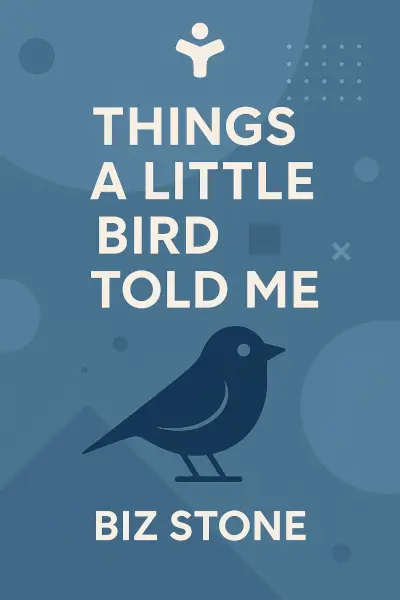
Things a Little Bird Told Me: Confessions of the Creative Mind
Ready to Take Action?
Get the Mentorist app and turn insights like these into daily habits.