Rapid, Iterative Experimentation Beats Long-Term Planning in Unpredictable Environments
Think back to a time when you or your team poured weeks into perfecting a plan or building a project—only to find out, too late, that your audience didn't care for it. The burning frustration, the late nights, and then a polite yawn from the supposed customer. It's an experience that sinks energy and ruins morale.
Now, imagine instead tossing together a rough prototype or even a mockup, putting it in a few hands, and watching real-time reactions. The group’s responses—frowns, excitement, confusion—would tell you which ideas needed work, and which parts to keep. The feeling is totally different, more alive, with the room sounding like a startup’s hacking session or a hackathon. Success and failure are both welcome; both bring new information, faster.
Teams and individuals who embrace this 'rapid experiment' mindset reduce waste and accelerate learning. They have more fun, too, because feedback arrives soon—so you get to iterate, adjust, and try again while still motivated. Research confirms that people who experiment in cycles build better products, develop stronger skills, and burn out less than those stuck in the slow grind of perfectionism and paperwork.
This week, challenge yourself to launch a tiny, fast experiment to test your next big idea—whether it’s a new process at work, a recipe at home, or a project for school. Keep it small and quick, focusing less on perfection and more on learning from how people actually behave. Afterward, tweak what didn’t work and try again, building confidence and real insight with each cycle. Don’t wait for months—start with a quick, gritty test, and let the feedback fuel your next move.
What You'll Achieve
Internally, you'll boost confidence, adaptability, and creative energy, reducing fear of early criticism. Externally, you’ll get projects off the ground quicker and identify impactful solutions before investing deeply.
Launch Fast Experiments And Learn Before Going Big
Set up a fast experiment with a clear goal.
Define a specific question: 'Will customers use this feature if given a chance?' Design an MVP or rough prototype that lets you answer it within days or weeks, not months.
Measure customer behaviors, not stated preferences.
Watch what people do, not just what they say they will do—this yields more reliable results.
Repeat and refine as needed.
With each cycle, use what you learned to adjust your idea and try again, narrowing in on what truly works.
Reflection Questions
- Where am I investing time or money before knowing if my idea works?
- How can I run the smallest experiment possible to learn about my key question?
- What’s stopping me from testing early—and how can I overcome that barrier?
Personalization Tips
- A high school robotics team tests a new design by building a quick, working model before finalizing specs.
- A baker tries out a new type of bread with a few friends before investing in full production.
- A volunteer organization pilots a program with a small group before rolling it out citywide.
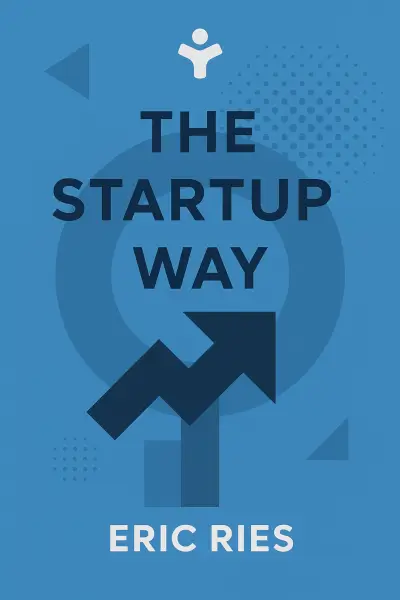
The Startup Way: How Modern Companies Use Entrepreneurial Management to Transform Culture and Drive Long-Term Growth
Ready to Take Action?
Get the Mentorist app and turn insights like these into daily habits.