Venture Culture: Trust and Contracts Built on Relationships
In the scramble of forming new teams, launching a startup, or assembling a sports squad, most people get hung up on paperwork—formal contracts, signatures, endless email trails. But the most transformative leaders and teams build their foundation on trust. Years ago, one legendary group of collaborators signed ten one-dollar bills as ‘contracts’ with each other, a playful but deeply meaningful gesture of commitment. These contracts weren’t worth much on paper, but in the coming months, through grueling work in a half-built office and stormy nights spent wiring up their own power, those signed bills became symbols of trust that nobody wanted to violate.
The culture that grew from these micro-commitments was contagious. Instead of waiting for lawyers to tell them what was allowed, these founders set their own rules—calling partners, hashing out issues honestly, and keeping promises even when circumstances changed. Eventually, this trust-based approach spread, re-shaping the whole industry into one where reputations, not just legal documents, determined who got the next deal, introduction, or shot at a breakthrough.
Modern behavioral research confirms that reputation-based systems outperform rule-bound ones, so long as there’s accountability and visible reciprocity. The best deals still rely on mutual understanding and a willingness to do the right thing—even when nobody’s watching.
As you start your next collaboration, take a step back and make all expectations, hopes, and fears explicit before finalizing any agreement. Treat even informal promises as if they’re written on ten crisp dollar bills—your future depends on honoring your word. When someone in your network makes a commitment, track who follows through and who doesn’t, and let this guide your trust in future opportunities. By leading with integrity, you’ll find yourself surrounded by partners who do the same. Put this into action today.
What You'll Achieve
Shape relationships where trust makes action faster and more effective; avoid dependency on rigid enforcement by building credibility that opens new doors.
Build Trust Before Formal Agreements
Get real about expectations before signing contracts.
Discuss what success and failure will look like with all partners, teammates, or collaborators before writing or signing any agreement.
Recognize the informal ‘contracts’ in your network.
Realize that much of what happens—the favors, introductions, advice—operates on mutual trust, not rigid rules.
Follow through on promises, even those not written down.
Treat your word as binding; honor commitments as if you had signed them. Your reputation is your most valuable asset.
Reflection Questions
- When has trust been more important than rules in my past successes?
- Who in my network is most reliable—and why?
- What expectations haven’t I made explicit in current projects?
- How can I strengthen trust and accountability in new collaborations?
Personalization Tips
- Before a group project: Agree explicitly on roles, deadlines, and how disputes will be resolved—don’t just assume.
- In sports: Decide how you’ll split playing time or recognition with teammates ahead of a tournament.
- In creative collaborations: Keep a journal of commitments and check-ins, even if informal.
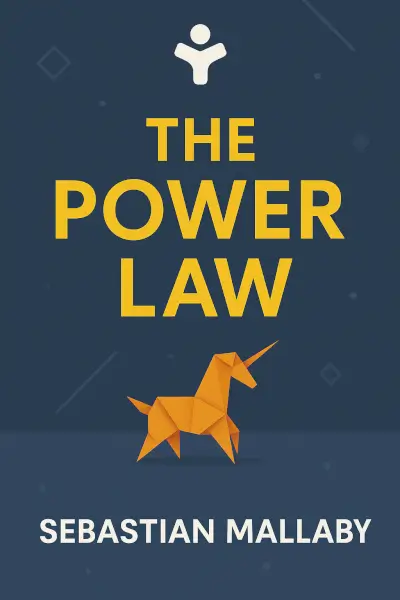
The Power Law: Venture Capital and the Making of the New Future
Ready to Take Action?
Get the Mentorist app and turn insights like these into daily habits.