Challenge the Safe Path—Risk-Taking is Essential for Big Payoffs
When you look closely at the most successful individuals, companies, or projects, you’ll see a striking pattern: almost every breakthrough comes from a willingness to take risks that others avoid. This isn’t the same as jumping blindfolded. It’s about recognizing where small, safe bets only ever lead to small returns—and then deliberately backing ideas with large, unpredictable outcomes.
Across generations, venture investors and creative leaders learned to shun incrementalism. Instead, they concentrated their resources in projects or people that, while unlikely to succeed, would pay off massively if they did. The lesson wasn’t that every risk pays off—far from it. Most bold ventures failed or flamed out. But the ones that worked yielded rewards so big they compensated for all the failures.
The science of ‘expected value’ supports this approach: if the upside is big enough, you win overall even if losses are common. But what distinguishes great risk-takers is that they set clear limits, define what evidence would trigger a pivot, and face the possibility of failure openly—not with bravado, but with preparation and a plan.
This is the power law in action: one truly high-risk, high-reward bet can change everything, so long as you’re willing to let go of the comfort of only ‘safe’ moves.
Review your next few decisions with a critical eye for risk and reward. Instead of automatically shying away from the hardest or least certain project, weigh whether its upside is big enough to be worth the effort and possible failure. Commit your main resources—time, money, or attention—to one or two of these plays, and write down clear criteria for when you’ll persist or move on. It isn’t about gambling wildly—it’s about knowing the difference between calculated risks and timid safety. Track what happens and keep learning from every outcome.
What You'll Achieve
Develop the courage to pursue opportunities with big payoffs, learn to manage setbacks without losing momentum, and discover what it means to shape your outcomes rather than always following the safe path.
Embrace Intelligent Risks in Your Next Project
Evaluate the size and nature of risks—don’t avoid them outright.
List both the potential upsides and downsides for a bold idea or project. Recognize that most easy, ‘safe’ bets rarely lead to outsized gains.
Invest the bulk of your resources in projects with potential for large impact.
Choose one or two initiatives with a chance to ‘change the game,’ even if they have a high risk of failure, instead of spreading effort among many low-stakes tasks.
Set clear thresholds for pursuing or abandoning risky projects.
Decide in advance what specific signals or milestones will cause you to double down or pivot. Don’t let fear or optimism alone drive continued investment.
Reflection Questions
- Am I defaulting to safe choices in ways that limit my potential?
- Do I have a process for weighing upsides and downsides, or do I act from habit?
- When did a bold risk pay off in the past—and what did I learn?
- How will I set boundaries for when to double down, and when to pivot?
Personalization Tips
- In school: Sign up for a challenging competition or advanced class despite worries about failure.
- At work: Suggest or lead a major new initiative rather than minor process tweaks.
- For a side hustle: Launch a bold campaign or product, understanding big wins demand bold moves.
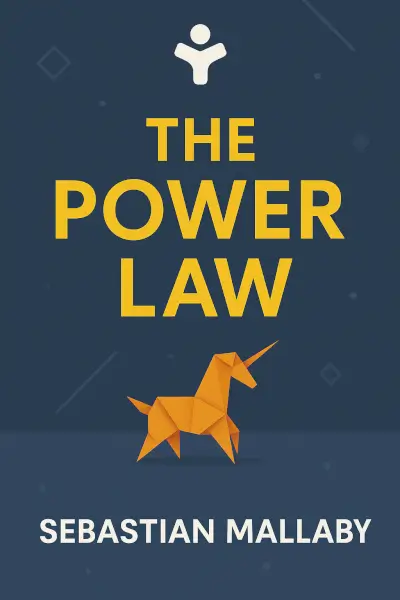
The Power Law: Venture Capital and the Making of the New Future
Ready to Take Action?
Get the Mentorist app and turn insights like these into daily habits.