Beware the Lure of Homogeneity: How Teams Miss Out by Choosing ‘People Like Us’
The phrase 'birds of a feather flock together' is more than a cliché; it’s a dangerous tendency in high-stakes work. We’re drawn to those who share our education or background because it feels comfortable and efficient. But in entrepreneurial teams, this “homophily” can backfire—valued perspectives and hard-to-find skills fade, and soon the group is blind to unseen risks outside their collective bubble.
Research shows homogeneous founding teams form more quickly and communicate easily, but often miss out on essential expertise. The danger intensifies when ‘soft’ compatibility is confused with functional necessity—teams skip vetting soft factors like reliability, commitment, or values, assuming old friendships will overcome all obstacles.
Diverse teams, though trickier to build and initially slower to gel, bring broader network access and problem-solving skills vital for innovation. The best performing teams combine difference on the outside (skills, contacts) with similarity on the inside (shared mission, work norms). Success comes not from defaulting to the familiar, but from assembling the right mix and testing it in practice before committing long-term.
Take ten minutes today to map your group’s expertise and connections. Where do you all look the same? Make a commitment to address your biggest blind spot—be it legal, technical, or social—by reaching out to someone new. When you bring in fresh talent, start with a trial project; soft issues matter too. This might feel slower at first, but you’ll protect your group from missed opportunities and sudden shocks. Test diversity on small stakes now and reap the resilience benefits later.
What You'll Achieve
Increase creative problem-solving, improve access to essential networks, and reduce groupthink and skill gaps that can stall progress.
Build Intentional Diversity Into Your Team
Audit your team’s backgrounds and networks.
Take an honest look: are most members from similar schools, skill sets, or geographies? Note where critical perspectives may be missing.
Identify and fill gaps in functional skills and social reach.
For each major challenge your venture faces, list someone (internal or external) who brings expertise or a new network. Recruit or consult as needed.
Test for ‘soft’ compatibility before committing.
If you bring in outsiders for diversity, run small projects together first to check work style and value alignment—don’t just assume resumes tell you everything.
Reflection Questions
- Where might your team’s similar backgrounds be undermining objectivity or growth?
- What essential skill or perspective do you most need to add?
- How does your current network limit or expand your opportunities?
- Are you confusing 'comfortable' with 'best equipped'?
Personalization Tips
- A robotics club brings in a marketing student after realizing no one knows how to attract event sponsors.
- A community group partners with someone outside their usual network to expand impact and perspective.
- Three friends starting an e-commerce business consult a legal expert to navigate regulations none of them have experienced.
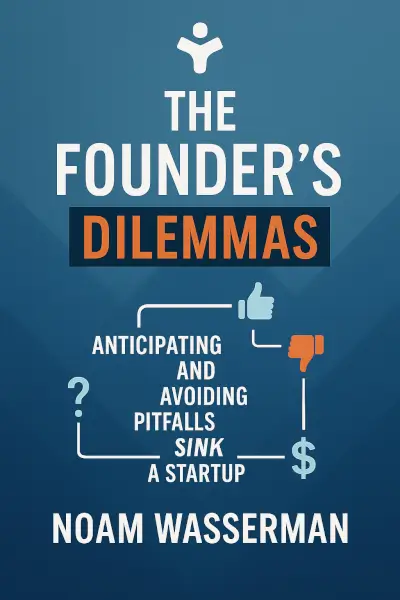
The Founder's Dilemmas: Anticipating and Avoiding the Pitfalls That Can Sink a Startup (The Kauffman Foundation Series on Innovation and Entrepreneurship)
Ready to Take Action?
Get the Mentorist app and turn insights like these into daily habits.