The Surprising Power—and Danger—of Founding With Friends or Family
A pair of best friends decide senior year to bring their homegrown app idea to market. Working out of their shared apartment, they’re excited and eerily in sync—until it’s time to choose a CEO, split equity, and agree on workhours. It’s awkward talking about money or commitment levels; after all, they trust and know each other, right? Months later, as stress mounts and the startup lurches through growing pains, small disagreements metastasize—one wants fast growth and big investors, the other values control and sustainability. Each avoids awkward discussions, fearing the friendship will sour.
One night, after a ruined birthday dinner, they can’t avoid the tension any longer. They realize they never discussed what would happen if one of them wanted to leave, or how the company would handle hard pivots. The business starts to buckle. Consulting an experienced founder, they’re told: draft a clear exit agreement, openly define roles, and—if you care about your relationship—don’t be afraid to bring in an external mediator. The process is rough but clarifying, taking weeks of tough conversations, but by the end, both feel a weight has lifted, and they rediscover why working together was once joyful.
Behavioral science consistently shows founding with friends or family is a high-risk move: the stakes are higher and the likelihood of avoiding uncomfortable topics is greater than with strangers, making structured conflict management not a luxury, but a necessity.
Don’t wait for feelings to boil over—sit with your close cofounder and draft what-if rules for disaster scenarios. Initiate an open talk about your work and life values before business stress distorts the relationship. If possible, let outsiders help keep reporting lines clear. You might feel awkward, but these conversations are a small price to pay for saving both your business and your bond. Put just one safeguard in place this week and see how much tension it relieves.
What You'll Achieve
Preserve important personal relationships while avoiding the most common hidden pitfalls that destroy friendship-based ventures and family-run businesses.
Safeguard Relationships Before Mixing Business With Friendship
Draft a 'disaster plan' in writing.
Sit down with your friend or family cofounder and explicitly write out what happens if there’s a serious disagreement—who makes the final decision, and under what conditions should someone exit the business.
Conduct a 'values conversation' before launch.
Ask each other about your work habits, risk tolerance, commitment level, and values—do this before you face your first tough business decision. Make sure everyone’s expectations are on the table.
Assign roles to non-relatives where possible.
Whenever you can, structure reporting lines so family or friends don’t directly manage each other. Get an impartial executive or advisor involved to mediate sensitive issues.
Reflection Questions
- What’s the worst-case scenario if your relationship and your venture collide?
- How would you feel if you had to fire a close friend or family member?
- Have you each been open about your risk tolerance and future goals?
- Who could serve as a trusted referee when you hit an impasse?
Personalization Tips
- Two sisters opening a bakery agree in advance who will handle finances, who will oversee daily operations, and how disputes are settled.
- College friends starting a non-profit use a trusted professor as a tie-breaker on issues they can’t resolve.
- A parent and child running a tutoring service create clear contracts so family disagreements don’t spill into daily business.
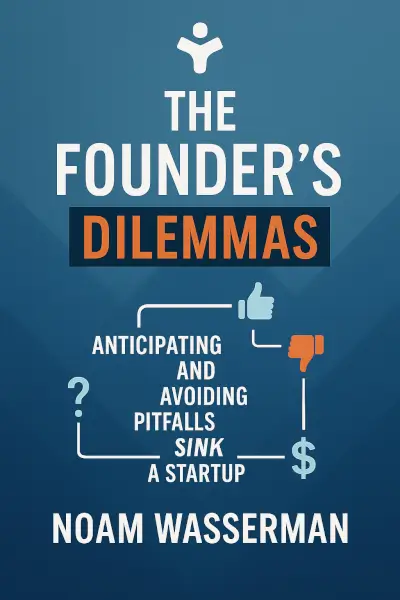
The Founder's Dilemmas: Anticipating and Avoiding the Pitfalls That Can Sink a Startup (The Kauffman Foundation Series on Innovation and Entrepreneurship)
Ready to Take Action?
Get the Mentorist app and turn insights like these into daily habits.