Why Founders Fail: The Silent Cost of Internal Team Conflicts
In a bustling coworking space, a promising startup’s founders spend long nights—coffee half-finished, the whiteboard cluttered with half-erased ideas. They’re driven by passion, but every week a different argument leaves someone storming out or quietly fuming. At first, everyone chalks it up to 'just stress.' But as weeks pass, small disagreements about priorities become full-blown disputes about product direction, hiring, and who deserves more credit.
Behind the scenes, investors and early employees notice morale slipping. Features get delayed, and personal rifts rear their heads during meetings. The founders finally realize that some of the most persistent and damaging setbacks aren’t technical—they’re interpersonal, sprouting from old resentments, unclear roles, and a reluctance to have direct conversations about performance.
After one particularly heated debate, the team reaches out to an advisor for help. Observing their weekly check-in, she spots subtle patterns: people talking past each other, no forum for constructive feedback, and the same miscommunications resurfacing every time deadlines loom. She suggests a monthly team retrospective, explicitly focused on surfacing and resolving hidden tensions, not just reviewing tasks.
As the months go on, the founders learn that regular, honest conversations about conflict—and creating room to 'clear the air'—are just as vital for startup survival as product strategy or customer acquisition. Behavioral science confirms that team breakdowns, if unaddressed, are far more likely to cause startup failure than market factors alone.
Start by tracking your team’s tough conversations over the next two weeks—note disagreements or awkward silences and see which patterns emerge. Set up a monthly session where everyone can safely surface their frustrations, keeping this space separate from ordinary work updates. If conflict seems to linger, invite a trusted outsider or mentor to watch a meeting and offer candid observations. Sometimes, just naming tension is the first step to resolving it. Don’t put this off to ‘someday’; try it immediately and notice the difference in how your group operates.
What You'll Achieve
Improve team trust, reduce hidden conflicts, and increase the overall effectiveness and resilience of your organization by facing and resolving interpersonal issues early.
Spot and Address Friendly Fire Before It Burns
Track recurring sources of disagreement.
For two weeks, keep a private log of every disagreement or tense moment with coworkers or cofounders. Look for patterns—are certain topics, decisions, or personalities triggering conflict?
Schedule regular team retrospectives.
At least once a month, hold a focused session to air out recent conflicts and discuss what went unresolved. Ensure this time is separate from operational meetings, and use a neutral facilitator if needed.
Ask for outside perspectives.
Invite a mentor or advisor to observe a team meeting or review your team’s decision-making process, looking specifically for evidence of hidden friction or role ambiguity.
Reflection Questions
- Which team conflicts might you be ignoring out of discomfort?
- How might unresolved disagreements be impacting your results and morale?
- Who could you invite as a neutral observer to provide fresh insight?
- When was the last time your team discussed how you work together—not just what you work on?
Personalization Tips
- A student group working on a project pauses weekly to discuss not just their results, but also how well they’re collaborating.
- A family business invites a trusted friend to give feedback after noticing tension between siblings during planning sessions.
- A youth sports team captain checks in individually with teammates to find out if silent disagreements are impacting practices.
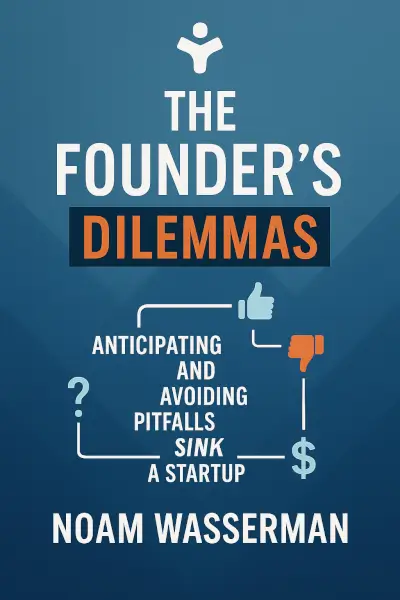
The Founder's Dilemmas: Anticipating and Avoiding the Pitfalls That Can Sink a Startup (The Kauffman Foundation Series on Innovation and Entrepreneurship)
Ready to Take Action?
Get the Mentorist app and turn insights like these into daily habits.