Get Out of the Building—There Is No Substitute for Direct Customer Contact
You hesitate outside the coffee shop, tablet in hand and butterflies in your stomach. This is not your comfort zone—making cold calls or introducing yourself to strangers just to ask about their day. Yet, once inside, you catch the eye of your first interviewee, a tech-savvy student with an old backpack slung on one shoulder. You offer to buy her a coffee in exchange for ten minutes of honest feedback.
The first three minutes are awkward, but you push through, focusing on her words as she talks about the pain of organizing assignments. You resist the urge to pitch or defend, nodding as she jokes about lost post-its and last-minute submissions. Her candor disarms you. After she leaves, you scribble notes, realizing half her complaints never even crossed your team’s mind.
Week after week, you repeat the routine with others—at libraries, bus stops, park benches—sometimes getting nothing, sometimes leaving with a story that sparks a new idea or kills an old one. It never really gets easy, but it does get easier. The scribbled insights grow into themes, priorities shift, and so does your confidence.
Behavioral science shows that direct, in-person interaction beats surveys, analytics, or assumptions for uncovering real motivations and unsolved problems. Regular contact trains you to see through superficial feedback and builds the empathy that great products require.
Put it in your calendar: once each week, reach out to—or meet up with—at least one target customer and listen with the true goal of learning, not persuading. After each conversation, sum up the biggest surprise or the thing that most challenged your assumptions. By making this a weekly habit, you’ll keep your thinking grounded in reality and build genuine insights that no focus group or analytics dashboard can match. Start the cycle this week and keep at it—small steps, big returns.
What You'll Achieve
You’ll develop sharper products, keener intuition about customer priorities, and the courage to face uncomfortable truths. Over time, your resilience and resourcefulness will grow.
Commit to Speaking With Real Customers Each Week
Schedule at least one customer interview per week.
Make it a recurring calendar event—block time for it just as you would for meetings.
Approach the interaction with the intention to learn, not to convince.
Go in with humble curiosity and clear learning goals (e.g., 'I want to discover new pain points I haven’t thought of').
Summarize each conversation’s main insights immediately after.
Avoid letting your memory fade; jot down what surprised you, contradicted your assumptions, or confirmed your thinking.
Reflection Questions
- What’s stopping me from talking to customers face-to-face?
- How would my project change if I based decisions only on what real users say and do?
- What new perspectives did my last conversation reveal?
- Do I celebrate learning even when it means changing course?
Personalization Tips
- A team building a language learning app visits high schools to listen directly to students’ frustrations.
- A crafts seller spends a Saturday talking to shoppers at a local market.
- An aspiring podcaster interviews potential listeners about their daily commute.
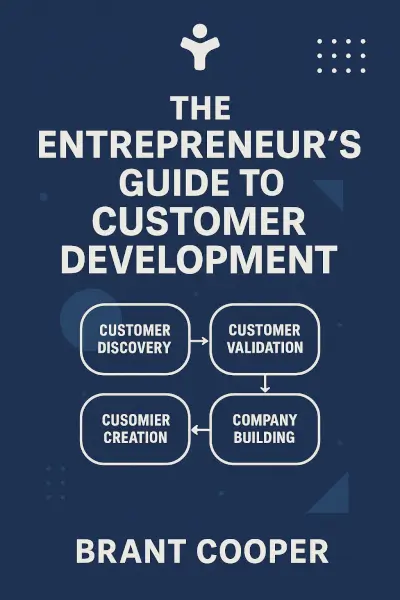
The Entrepreneur's Guide to Customer Development: A cheat sheet to The Four Steps to the Epiphany
Ready to Take Action?
Get the Mentorist app and turn insights like these into daily habits.