Know Thyself—Align Your Personal Vision and Values With Your Business Model
You take a short walk after a stressful call with your team. The air’s cool, the late sun glinting off parked cars. In your mind, two questions jostle for space: Am I building this business for myself, or for someone else’s vision? Would I be happy if it worked exactly as planned?
As you pause beside a flowerbed, you think back to the times you compromised on something that mattered—extra hours, a partner that didn’t fit, or chasing revenue over mission. Each decision left a residue: fatigue, or bitterness, or a quiet sense that something wasn’t yours. You remember moments of deep satisfaction too—a thanked parent, a solved problem, a moment where your values and project connected perfectly.
Taking a seat on a nearby bench, you decide to write things down. What are your non-negotiable values? Do you want to stay small, or reach national scale? Avoid debt, or maximize opportunity? You list your motivations, from making a difference for a community to maintaining work-life harmony. Then, you check them against your business plan and see spots where you’re off course. You smile, realizing that adjusting now feels less scary than hiding from the truth.
Mindfulness in entrepreneurship isn’t just about breath or meditation—it’s about being radically honest with your ambitions. Self-alignment, research shows, helps sustain energy and resilience through setbacks and choices over the long haul.
Find a quiet fifteen minutes to list out what you truly want from your venture, including what you’ll never compromise for outside growth. Make your values and deal-breakers explicit. Then, review your current goals—are you in sync, or are you drifting just to match others’ success stories? By knowing and honoring your true drivers, you’ll build a path that feels both successful and authentic. Take this step soon, and check back with yourself regularly.
What You'll Achieve
Inner clarity, lower stress, and better decision alignment. You’ll reduce burnout risk, improve motivation, and make business choices that support—not fight—your core values.
Take an Honest Inventory of Your Motivations and Limits
Reflect on your personal values and long-term vision.
Ask yourself what matters most—quick success, social impact, autonomy, recognition, or sustainable growth?
List any boundaries or deal-breakers for your venture.
Write out where you’d draw the line: refusing outside investment, keeping weekends free, or always serving a certain audience.
Compare your values to your current business assumptions.
Where are there gaps? Are you aiming for rapid scale but unwilling to raise investor funds? Aiming for impact, but targeting a lucrative but uninspiring market?
Reflection Questions
- Why am I pursuing this project, truly?
- Are any of my choices directly at odds with what I care about?
- What kind of success would feel hollow, and what would deeply satisfy me?
Personalization Tips
- A teacher founding an ed-tech app realizes their core motivation is helping underserved students, so they focus on nonprofit partnerships.
- A student starting a side hustle clearly marks she won’t compromise on family time, shaping her launch strategy.
- A community leader reevaluates a project goal after realizing local impact matters more than national reach.
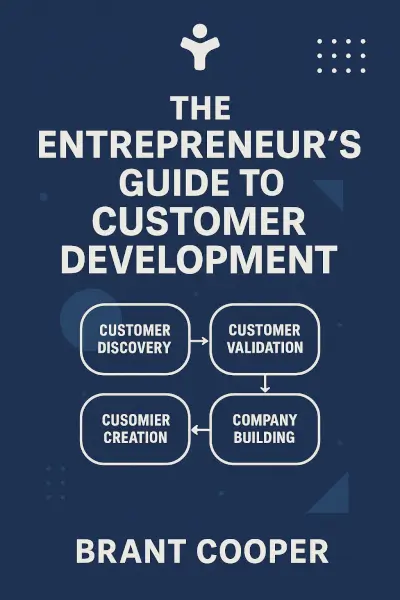
The Entrepreneur's Guide to Customer Development: A cheat sheet to The Four Steps to the Epiphany
Ready to Take Action?
Get the Mentorist app and turn insights like these into daily habits.