Pivots Are Not Failures—They Are Smart, Evidence-Based Course Corrections
When Akiko first pitched her handmade planner to local students, she was sure they would love colorful, customizable pages for homework tracking. She printed 500, bought space at a campus fair, and waited eagerly. But as the day ended, only a handful sold—and more people told her they used their phones, not paper at all. One teacher stopped by, though, asking if Akiko could make a teacher-focused version, tailored to lesson planning and class rosters.
Akiko wrestled with disappointment but decided to follow the new lead. She spent two days interviewing teachers, learning about what they needed to manage their schedules. Her next print run was just 100 planners—designed for teachers, smaller and denser. The response amazed her: she sold out at a district conference and received even more requests for custom layouts.
It stung to realize her original idea wasn’t meeting student needs. But embracing the evidence turned her project from a flop into something with growing demand. She learned to see pivots not as defeats but as signs her feedback loop was working. 'If you never pivot,' she says, 'you're probably not listening closely enough.'
Behaviorally, pivots harness the logic of 'fail fast, learn fast.' They’re data-driven decisions to adjust course, not admissions of incompetence. Startups who practice pivots outperform those who ignore what they learn.
Look through your latest results or feedback and choose the one thing that most challenges what you expected. Ask yourself what belief or direction you’re willing to let go of, and then come up with a new experiment or hypothesis. Take real steps to test this alternative, even if it means admitting previous ideas didn't land. Every pivot sharpens your path. Try a small, evidence-based pivot this month—you might find it's your smartest move yet.
What You'll Achieve
You'll build resilience, humility, and much more effective products or solutions—internally growing comfortable with change, externally finding successful markets or features sooner.
Practice Changing Your Mind When the Data Says So
Analyze your most recent test or feedback and identify any big surprises.
Look for results that contradict your expectations (‘Only 2 people wanted feature A, but 10 asked for feature B’).
Choose one assumption to challenge based on this learning.
Decide which belief about your customer, product, or market you are now willing to revise.
Brainstorm one new hypothesis or iteration to try.
Commit to testing this update quickly, using the steps of MVP or interviews.
Reflection Questions
- When was the last time I made a genuine course correction after new data?
- What keeps me from pivoting—fear, pride, or sunk costs?
- Can I list a situation where a pivot actually improved results?
Personalization Tips
- A student club shifts from after-school meetings to weekend meetups based on low turnout and direct feedback.
- A meal-prep startup switches its audience focus from busy adults to college athletes after learning who buys most.
- A freelance artist turns her Etsy shop toward corporate commissions after one unexpected big order.
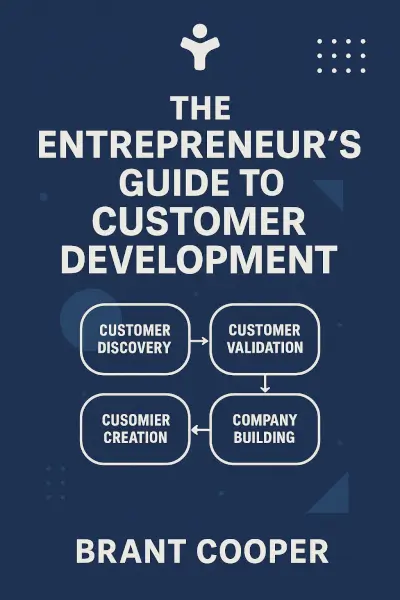
The Entrepreneur's Guide to Customer Development: A cheat sheet to The Four Steps to the Epiphany
Ready to Take Action?
Get the Mentorist app and turn insights like these into daily habits.