Uncover Powerful Opportunities by Targeting a Single Market Segment
Maya spent six months working nights in her dorm, mixing custom granola and trying to sell to every student on campus. She dropped off samples to athletes, professors, the theater crowd, and club presidents, barely keeping track of feedback that contradicted itself every day. Some wanted gluten-free, others sugary snacks. Sales didn’t budge, and her phone buzzed with polite rejections.
One day, a business-minded friend pointed out that her most enthusiastic responses came from runners who met up every Saturday morning. They exchanged tips, shared food, and constantly looked for energy-boosting snacks. Maya shifted her entire focus to this group, dropping other flavors and customizing one just for runners. Within weeks, word-of-mouth spread. Runners brought friends, orders grew, and the community became her testing ground for new ideas, honestly critiquing every batch. She became known as the 'Saturday Crunch' provider—her brand was built around that single, active group.
As her reputation solidified, other sports teams started asking for samples. By mastering one tight segment, she won valuable insights, loyal users, and a faster path to profitability. Her resources went further, her marketing was simpler, and she learned lessons that could be scaled to new segments later. Years later, Maya credits her early discipline for enabling broader expansion.
Segmentation works because affinity groups trust recommendations from peers and communicate word-of-mouth rapidly. Research in consumer behavior consistently shows that focused targeting enables quicker learning cycles, greater adoption rates, and more capital-efficient growth.
Take a hard look at all the groups that could use what you offer, and write them down. Then pick just one—aim for the group you can reach most directly and that will see immediate value. For now, ignore the urge to modify your services for everyone else. As you focus sharply, your messaging, learning, and results will multiply, and future expansion will be much easier. Start that list and bold your first priority segment today—you may be surprised how effective this feels.
What You'll Achieve
Expect a sharper brand, stronger word-of-mouth, and faster learning cycles. Internally, you’ll develop discipline and focus—externally, you’ll see real traction instead of scattered effort.
Narrow Down Your Audience Until It Hurts
List every possible group that could use your product.
Write out all the different user types, from professionals to hobbyists or specific communities.
Define one segment that is most likely to benefit and easiest to reach.
Choose a group—like 'urban college students who cycle to class'—that is tightly knit and communicates with each other. Don’t be afraid to go narrow first.
Refuse to customize your offering for multiple markets (at first).
Resist the temptation to please everyone. Focus your resources and learn fast by dominating a segment before expanding.
Reflection Questions
- Have I tried to chase too many audiences at once—and what did it cost me?
- Which narrow segment most desperately needs what I offer right now?
- How will I know when I’ve truly 'won' my initial segment?
Personalization Tips
- A student baking business focuses only on campus club events, not all student gatherings or the wider community.
- A productivity app targets freelance designers in coworking spaces before trying to reach all remote workers.
- A book club focuses on local high school teachers rather than the entire community.
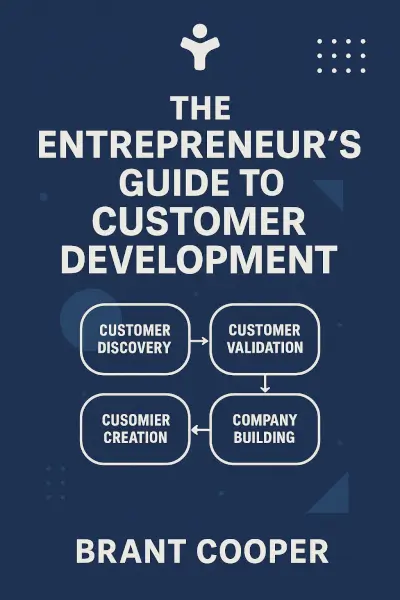
The Entrepreneur's Guide to Customer Development: A cheat sheet to The Four Steps to the Epiphany
Ready to Take Action?
Get the Mentorist app and turn insights like these into daily habits.