Customer Discovery Is Not About Selling—It’s About Listening
Imagine approaching a friend to ask why they use a certain app, but this time you don’t jump in with how your idea could fix their annoyances. Instead, you keep your questions open and let the conversation go wherever their frustration leads. Your goal is not to persuade or impress—in fact, you might avoid mentioning your solution at all for most of the talk.
You sit across from your colleague at a noisy café. In the pause after your open-ended question, you hear the clatter of spoons and the gentle hum of conversation. Instead of defending your idea, you listen as your colleague explains a workaround—using sticky notes to avoid the pitfalls of clunky digital tools. She’s comfortable now, hands gesturing as she describes her biggest pain point: 'I always forget which note is the most recent.'
You scribble this down, biting back the urge to explain how your app color-codes notes. You wait. She goes on, revealing what matters most isn’t features, but trust and reliability. By the end, you’ve heard three concerns that never appeared in your product meetings. None of this happens if you’re salesy.
This is not about getting your solution approved—it’s about surfacing the honest truth about what bothers your customer most. When you lead with curiosity and humility, people open up. Research shows that genuine curiosity and active listening dramatically increase the depth and accuracy of learning compared to leading questions or pitches. The outcome? Discovery, not just validation.
Before your next conversation with a potential customer, spend some time writing out truly open-ended, problem-focused questions. Go into each meeting or call announcing your goal isn’t to sell but to learn, and pay close attention to all the details—what’s said, what’s avoided, and how people react when you hit a nerve. Keep a notepad handy for nonverbal cues and recurring themes. By treating every interview as a learning mission, you’ll pick up genuine insights that no sales call could ever deliver. Try this approach even once—you’ll notice the difference in what you learn.
What You'll Achieve
You will gain deeper, more actionable insights about real pains while building trust and credibility with your audience. Over time, this leads to products that solve actual problems instead of just clever ideas.
Approach Every Interview as a Learning Mission
Prepare questions that probe problems, not features.
Draft 5–7 open-ended questions that encourage people to share frustrations or workarounds, such as 'What’s hardest about managing your budget each week?' Avoid focusing on your solution.
Frame your outreach as a learning conversation, not a pitch.
When you contact a potential interviewee, clarify you’re there for insight, not a sale ('I’m interested in your experience, not selling you anything'). Use referrals if possible.
Observe reactions as much as you listen to words.
Take note of nonverbal cues—hesitation, enthusiasm, boring topics, body language—since these reveal unspoken priorities and pain points beyond what’s said.
Reflection Questions
- How do I usually feel when someone tries to sell me something? How can I avoid making my interviewees feel this way?
- What surprises or contradictions have I heard when I just listened?
- Am I open to hearing feedback that challenges my vision?
Personalization Tips
- A high school robotics club member asks classmates what slows down teamwork before introducing her process proposal.
- A new dog-walking business owner meets several pet owners, careful to ask about routines and struggles instead of offering immediate pitches.
- A fitness coach listens to trainees talk about their daily routines before suggesting any services.
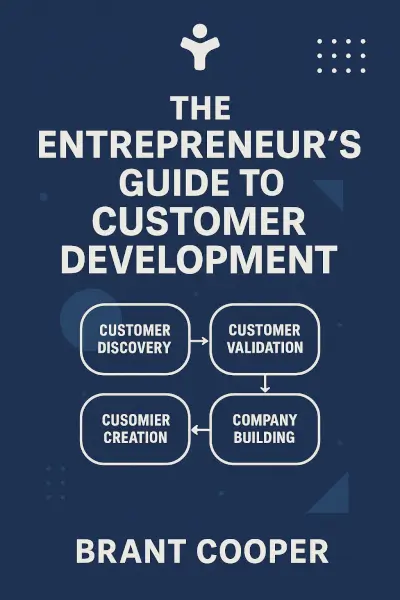
The Entrepreneur's Guide to Customer Development: A cheat sheet to The Four Steps to the Epiphany
Ready to Take Action?
Get the Mentorist app and turn insights like these into daily habits.