Why Following Your Passion Isn’t Enough—Build a Bridge to What Others Want
You’ve probably been told, “Do what you love, and the money will follow.” It sounds inspiring, but as you start sketching your dream project—maybe it’s selling hand-made crafts, teaching guitar, or coaching others in a favorite sport—you hit a barrier: people nod encouragingly but keep their wallets closed. Weeks pass, and you wonder if your passion is “worth” anything to others. The secret that few mention is that love alone rarely pays the rent; it’s the transformation you create for someone else that unlocks opportunity.
Just look at a local photographer who, after months of generic portrait offers, noticed families stressed about arranging photos with their toddlers. Shifting from “I love photography” to “I make family portraits stress-free and fun for parents,” she filled her calendar weeks in advance. Her phone buzzed constantly not because her passion changed, but because she connected it to a specific, real need.
There’s science behind this: in behavioral economics, “convergence” means overlapping your skill with market demand. Psychologists call this “empathy mapping”—understanding not just what people say, but what they really crave. This shift from inside-out (“what excites me?”) to outside-in (“what outcome does someone care about?”) builds bridges where possibilities grow.
Ready to get started? Start by making a list: jot down what gets you fired up and then what you hear people struggling with, wishing for, or complaining about in your community or online. Now, look for the overlap—maybe your skill at quick healthy cooking can make life easier for busy parents, or your knack for fixing bikes is needed by commuters. Reach out to a few real people and ask if they’d pay for your help, listening carefully to what excites them or makes them hesitate. Use their own words to describe your offer’s benefit, and whenever you talk about your business, try leading with how you make their lives better—not just what you enjoy. Give this a try by sending three texts or DMs today.
What You'll Achieve
Shift from an inward mindset to seeing through a customer’s eyes, leading to business ideas that match your passion while getting real traction—more sales, deeper satisfaction, and a stronger impact.
Test Your Passion for Real-World Value
Identify the intersection of your passion and people’s needs.
Write down what excites you most, then list problems or desires you hear from others. Look for areas where your joy overlaps with helping or entertaining people in specific, concrete ways.
Talk to potential customers before you build.
Don’t assume your hobby will sell—speak to at least five real people in your target market and ask if they’d pay for help or a product related to your interest. Pay attention to their language and exact needs.
Reframe your idea to highlight practical benefits.
Translate your excitement into a clear outcome others can value, like time saved, clarity gained, or a joyful experience. Practice explaining your idea from your audience’s viewpoint, focusing on the result for them.
Reflection Questions
- Where do your joys match up with actual problems people want solved?
- Are you listening for what people really want, beyond what they say?
- What is one way you could reframe your project to show its practical value?
- How does connecting your passion to someone’s need make you feel—more excited or more anxious?
Personalization Tips
- A high school baker asks friends and parents if they’d pay for last-minute birthday cakes, learning most want fast, allergen-free options.
- A student passionate about gaming creates video tutorials, then surveys classmates to find out which skills they’d pay to improve.
- A yoga enthusiast focuses her service on helping busy executives feel more clear-headed before work, rather than just offering generic yoga.
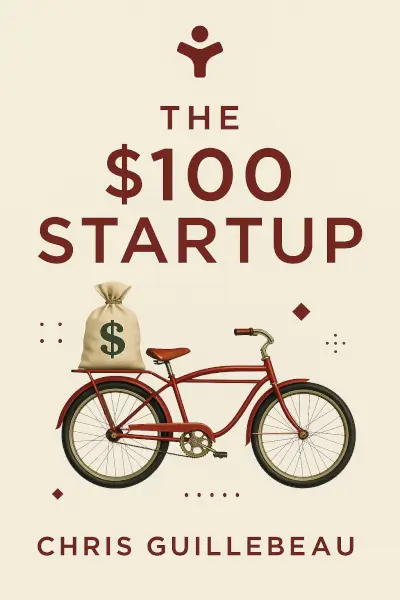
The $100 Startup: Reinvent the Way You Make a Living, Do What You Love, and Create a New Future
Ready to Take Action?
Get the Mentorist app and turn insights like these into daily habits.