Investing with Eyes Wide Open—How FOMO, Herding and Flawed Incentives Distort Markets
Throughout business history, major investment bubbles—from tulip bulbs to internet stocks—have left behind puzzling lessons. Studies in behavioral economics reveal so much of this isn’t due to ignorance, but to deeply human instincts: fear of missing out (FOMO), overconfidence, and the herd effect. When others are rushing into a project, fund, or trend, there's a spike of social proof—evidence that seems to validate your emotional excitement, regardless of underlying value.
At the same time, incentives are often badly aligned. Professional investors, for example, may be rewarded for quick wins or relative returns compared to their peers—leading to risk-taking that feels safe, as 'everyone's doing it.' Social psychologist Solomon Asch famously showed that even in simple perception tasks, most people will pick the clearly wrong answer just to fit in with the group. Multiply this by millions and billions of dollars, and you have a recipe for bubbles in markets, careers, and culture.
The antidote comes from creating small pauses and external review loops—contrarian strategies proven to slow down collective irrationality. Asking for hard evidence, clarifying if excitement is crowd-driven or values-driven, and rewarding independent checks (not just quick wins) helps to balance boldness with wisdom.
Make a list of the popular choices or investments you see people around you making—whether in class, at work, or online. As you consider joining in, pause and honestly identify whether your drive is vision or just fear of being last. Approach someone outside your group, preferably without a dog in the fight, and share the opportunity for a fresh take—even if it feels awkward. At the end, jot down your own reasons for action: what real proof or outcome would justify the leap? If you do this before your next big commitment, you'll start training your FOMO shield.
What You'll Achieve
Reduce risk of costly mistakes and cultivate a wiser, more independent investment or career mindset resilient to peer pressure and hype cycles.
Conduct a Contrarian Investment Reality Check
List peers’ favorite opportunities.
Make a note of the investment, career, or project choices that people in your field or network are chasing right now.
Identify fear-driven motivations.
Ask yourself: Is my interest in this move because I see real merit, or because I don't want to be left behind?
Seek one grounded outside perspective.
Bring your plan to someone not emotionally or financially involved, and request an honest assessment—preferably someone with no stake in the consensus.
Write down your personal criteria for action.
Specify in simple terms: what proof, milestones, or data would make this a smart choice for you, not just the crowd?
Reflection Questions
- Which choices have I made mostly because others were doing them?
- How can I better reward myself or my group for evidence-backed decisions, not just quick wins?
- Where has an outside perspective saved me from a bad investment?
Personalization Tips
- A university student considers several internship offers but consults a professor outside their major for a broader perspective.
- A friend group plans to buy the same cryptocurrency; one person consults a financially neutral mentor first.
- An entrepreneur cross-checks new business interests against their own experience of risk and goals before joining a crowded field.
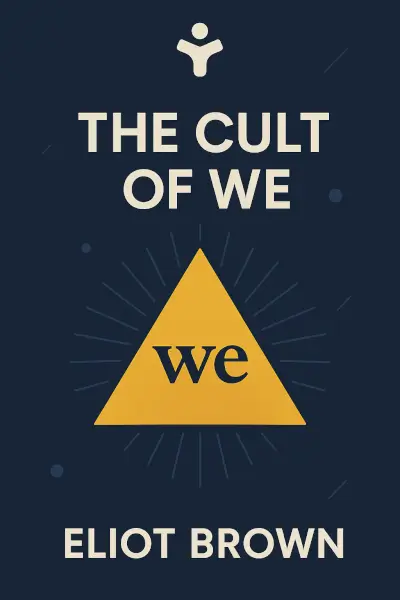
The Cult of We: WeWork, Adam Neumann, and the Great Startup Delusion
Ready to Take Action?
Get the Mentorist app and turn insights like these into daily habits.