The Seduction of Charisma—Understand Why Magnetic Leaders Inspire Both Loyalty and Blind Spots
Charismatic leaders are everywhere—from classrooms and startups to politics and sports. Their presence is hard to ignore; they stride into a room, radiate confidence, and paint vivid pictures of what could be. People feel seen, energized, and ready to follow. Yet, this magnetic pull isn’t purely good or bad—it’s powerful and complex. Research in social psychology and behavioral science shows we are wired to respond to charisma: group survival historically depended on following captivating leaders, especially in uncertainty.
However, the very traits that make a leader attractive—decisiveness, storytelling, optimism—can paper over weak plans or risky behaviors. In group settings, loyalty to charismatic figures often trumps skepticism, creating echo chambers. The “halo effect”—where one positive trait (like confidence) blinds us to other flaws—can lead teams and even entire organizations to overlook warning signs. Real-world examples, from high-growth startups to national organizations, teach that trust built on personality alone makes it hard to separate hype from healthy ambition.
The most effective teams balance charisma with substance—valuing critical feedback, transparent accounting, and multiple perspectives. As a follower, checking whether energy is matched by results protects both your interests and the shared mission.
Notice those magnetic personalities in your circles—teachers, managers, or peers—and pause to reflect on decisions you’ve made under their influence. Look at your choices and ask if they produced lasting results or just an emotional high. Then, invite a friend or colleague to review one bold step you took because you were inspired—see if fresh eyes spot something you missed. This practice will sharpen your radar and help you build loyalty rooted in substance, not just style.
What You'll Achieve
Enhance discernment and develop the confidence to question charismatic authority by pairing inspiration with evidence-based judgment.
Test The Substance Behind Charisma
Identify charismatic influences around you.
Think of leaders, influencers, or teachers you’re drawn to—who makes you feel energized or abnormally confident?
Analyze impact over time.
Reflect on decisions you made while inspired by these individuals. Were outcomes as positive as they felt in the moment?
Request independent feedback.
Ask a trusted friend or colleague to review choices you’ve made under charismatic influence, focusing on both positive results and possible oversights.
Reflection Questions
- Who most inspires me—and how do I differentiate between substance and style?
- When has charisma helped or hurt outcomes in my life?
- How do I respond to voices of dissent when I am swept up in enthusiasm?
Personalization Tips
- A student re-examines a club leader’s ambitious plans, seeking a second opinion before committing to late-night events.
- A young employee reviews why they overcommitted to a manager’s vision and asks a mentor for honest feedback.
- A church member discusses the difference between inspiration and evidence before joining a new outreach program.
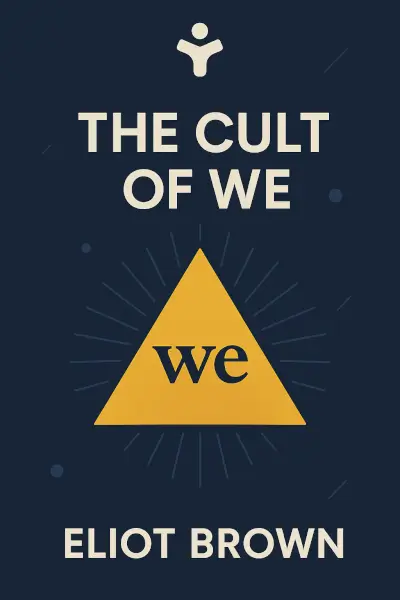
The Cult of We: WeWork, Adam Neumann, and the Great Startup Delusion
Ready to Take Action?
Get the Mentorist app and turn insights like these into daily habits.