Smart but Unpopular? How Unique Interests Shape Success Beyond School
You remember sitting in the cafeteria, listening to the buzz of conversation about the latest party or who wore what. Meanwhile, your notebook overflowed with coded doodles and lists of science fiction books you wanted to read. The loneliness of being overlooked for your quirky passions stung, but when you got home and booted up your computer, hours vanished as you tried new software or wrote stories about imaginary worlds. Your parents worried you spent too much time 'indoors,' but nothing else felt quite as alive.
Every so often, a small group would notice what you were making—maybe someone in an after-school club, or an online friend who commented on your project. You'd geek out together about new programming tricks or dissect the flaws in some blockbuster movie, feeling for a moment that you belonged on your own terms. The rest of the time, though, was spent fending off odd looks as you quietly skipped social rituals to chase your latest obsession.
What you didn't realize, sitting in that cafeteria or walking your own path after school, was just how much of your grit and focus would matter later. The real world didn't care about cliques—it valued people who could dive deep, solve complex problems, and bring original ideas to the table. Later, you’d find teams and workplaces craving exactly the wild attention and making skills you’d kept alive despite social pressure. The ability to trade popularity for mastery—backed by research on motivation and identity—turned out to be foundational for future creators, innovators, and leaders.
If you've ever felt out of sync with your peers because your interests are different, take time today to lean into what absorbs you most. Notice when curiosity pulls your attention; write these moments down, and set aside dedicated time—even just fifteen minutes—to work on something fascinating to you, not just what’s trendy. Look for like-minded people online or in your neighborhood, not to be popular, but to feel supported and inspired in your journey. Give yourself permission to follow your passions where they lead. Try it this week, and see how your energy changes.
What You'll Achieve
Strengthen your confidence in personal interests, build lasting expertise, and develop resilience against peer pressure—leading to deeper satisfaction, higher skill, and long-term advantages in the real world.
Embrace and Invest in Your True Passions
Identify your deepest curiosities.
Spend 10 minutes reflecting on what excites you most—subjects, hobbies, or projects you genuinely love, regardless of what others think is cool.
Notice and document where your attention flows.
Carry a small notebook or use your phone to jot down moments when you're lost in thought or deeply engaged, especially when it goes against what your peers value.
Dedicate time, daily or weekly, to develop these interests.
Block out regular slots in your schedule where you deliberately ignore popularity contests and focus solely on building projects or learning that reflects your unique strengths.
Find or form micro-communities that share your core interests.
Seek out clubs, online forums, or small friend groups—even if they seem 'uncool' by school standards—where you feel free to explore, experiment, and share ideas.
Reflection Questions
- Which interests or projects do I return to, even when no one else seems to care?
- How does resisting social pressure feel for me—where does it get hard, and where do I feel most free?
- What small actions could I take to connect with others who appreciate my unique strengths?
- How might investing in these 'uncool' passions change what my life looks like in five years?
Personalization Tips
- A high schooler passionate about coding builds their own app, even when classmates are obsessed with sports.
- An artist creates unconventional digital collages, ignoring teasing from peers focused on fashion trends.
- A budding scientist starts an at-home experiment series, choosing learning over hanging out with the 'in' crowd.
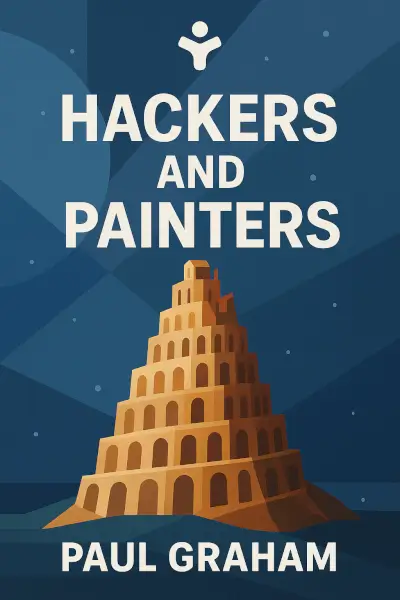
Hackers and Painters: Big Ideas from the Computer Age
Ready to Take Action?
Get the Mentorist app and turn insights like these into daily habits.