Why Most High-Tech Innovation Fails—And How Systematic Management Can Save It
It’s easy to believe that tech breakthroughs are born from genius alone, but the real world is littered with stories of great inventions that never caught on—robotics projects that failed after years of hype, promising drugs left behind in clinical trials, or apps that dazzled at launch but faded within months. Most of these projects fell into one of two traps: trying to innovate before all critical pieces were in place, or mistaking invention for lasting value.
Imagine a group smart enough to build a groundbreaking hardware device—yet they lack expertise in supply chains, customer support, or design. The result? Their invention stumbles at launch, too complex to use or impossible to scale. Another team creates cutting-edge educational software but never pilots it with real students or measures understanding; what looked brilliant in the lab fizzles in the classroom. These failures were not inevitable—they happened because innovation was treated as luck, not as a managed, integrated practice.
The truth, drawn from decades of organizational research and the history of technology, is that sustained innovation comes from systematic convergence: assembling the right mix of skills, testing rigorously, and learning from feedback in context. This discipline can feel tedious, but it’s what distinguishes long-lasting value from flashes in the pan.
Before you chase your next big idea—whether it’s for a club project, a business, or a personal goal—take time to map all the different knowledge and skills required to reach success. Be bold about identifying what’s missing, and don’t be afraid to pause or ask for help; nobody succeeds alone. Once you’ve launched, set clear goals and commit to tracking whether you’re actually making lives better, not just creating something clever. If results aren’t what you hoped, rework, collaborate, or even walk away. Treat innovation as a craft, not a bet, and watch your impact multiply.
What You'll Achieve
You’ll build confidence and skill in turning fresh ideas into real-world value, gaining resilience and practical wisdom, while reducing burnout and frustration from dead-end projects.
Treat Innovation Like a Discipline, Not a Gamble
Map the chain of knowledge required for success.
Break down which fields, skills, or resources must converge for your project to succeed. Don’t assume new ideas live in isolation.
Analyze what’s missing—then seek it out or postpone.
Be ruthlessly realistic: if you’re missing a key skill or resource, decide whether to find it, collaborate, or pause until conditions change.
Set focused goals and measure results.
Don’t just celebrate invention—track whether your innovation is usable, valued, and sustained. Adjust or abandon if results fall short.
Reflection Questions
- What’s an idea you chased before assembling all the required knowledge?
- Who else might you bring in to bridge your skill gaps?
- How could you test results more objectively on your next project?
- What signs would alert you to pause or pivot, not just push ahead?
Personalization Tips
- A student science team identifies that a new sensor won’t work without specialized coding support, so they recruit a peer with that skill.
- A startup founder realizes her app can’t scale without business knowledge, so she partners with someone experienced in marketing and finance.
- A teacher piloting a new digital tool in class tracks student outcomes, pivoting quickly when initial results show confusion instead of progress.
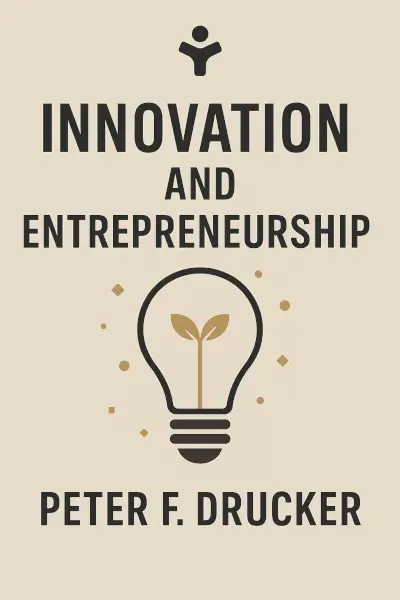
Innovation and Entrepreneurship
Ready to Take Action?
Get the Mentorist app and turn insights like these into daily habits.