Adopt a Growth Hacking Mindset—Why Mindset Trumps Any Tactic or Tool
Ryan Holiday found himself at a crossroads. As head of marketing for a major retailer, he was proud of his team’s glossy campaigns—full of creative flourishes and grand launches. But after reading an essay claiming his job was ‘obsolete’, he felt uneasy. Digging into the stories of rapid-growth tech companies, he saw his assumptions unravel: they succeeded by relentlessly testing, learning, and changing course, often throwing out traditional plans entirely.
Holiday began experimenting with digital launches, minimum viable products, and rapid-fire content tests. Some flopped, but each provided real-time feedback, helping him improve faster and with less risk. He built habits around trial and error, tracked what worked, and drew lessons from back-to-back failures as well as wins. Over time, he grew more curious than cautious.
This shift in mindset wasn’t about having one clever trick. It was about seeing marketing—and all problem-solving—as an iterative process with nearly limitless chances to improve. Where others hesitated, he gained confidence; where the market shifted, he moved with it. Modern neuroscience shows that actively seeking novelty and feedback literally rewires your brain’s learning networks, making you more adaptable and resilient.
In the end, adopting a growth hacking mindset is about believing that failure isn’t just acceptable—it’s essential. It’s the difference between standing still and creating your own opportunities, one informed experiment at a time.
Whenever you find yourself defaulting to the old way of doing things, pause to consider what bold experiment or unconventional move could move you forward, and make a habit of jotting down what you learn from every attempt—success or failure. Seek out and connect with people who question the usual approaches and track results with genuine interest, making regular reflections part of your week. By taking ownership of your learning process, you become the type of person who thrives in any environment, not just when the plan works out; try starting a feedback log today.
What You'll Achieve
Cultivate a mindset that prizes adaptability, experimentation, and learning—so you bounce back faster from setbacks, keep innovating, and build projects that improve with each attempt.
Train Yourself to Embrace Continuous Experimentation
Actively challenge old assumptions about what works.
Whenever you feel stuck, ask: 'What’s one new experiment or unusual approach I haven’t tried? How would I approach this problem if I started today?'
Prioritize learning and feedback in all decisions.
Treat successes and failures as valuable information, not judgments of your worth. Keep a journal or document key lessons after each project, launch, or campaign.
Network with others who break the rules productively.
Surround yourself (online or in person) with creative thinkers and people who value data and rapid experimentation; stay open to learning from both wins and losses.
Reflection Questions
- How do I react when my first idea doesn’t work out as planned?
- What’s one old rule or tradition I’m ready to question?
- Who in my circle actively experiments—and how can I collaborate or learn with them?
- How could I make reflection and experimentation a normal part of my work or life?
Personalization Tips
- A college student ditches the ‘perfect resume’ myth and instead starts projects weekly, sharing outcomes openly with peers for feedback.
- A new parent tests three ways to establish a bedtime routine, paying attention to what actually helps everyone sleep best.
- A team leader hosts monthly ‘fail fast’ meetings where everyone shares recent experiments and what they learned, not just what worked.
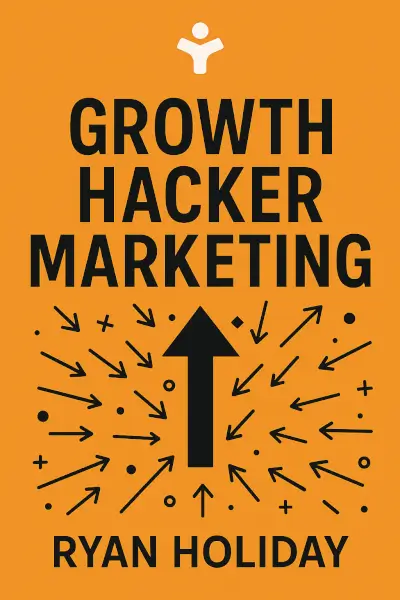
Growth Hacker Marketing: A Primer on the Future of PR, Marketing, and Advertising
Ready to Take Action?
Get the Mentorist app and turn insights like these into daily habits.