The Art of Prizing: Make Them Chase You Instead of the Other Way Around
Picture yourself stepping into an important meeting where you hope to win an opportunity—an internship, a buyer for your business idea, or even a partnership for a school project. Most people instinctively try to impress, offering details about themselves, eager to please and quick to chase approval. But over and over, the person with options, who doesn’t seem needy, captures more respect.
Next time, you try something new. You greet your counterpart warmly but mention you’ve only got a short window for this conversation—another meeting is coming up. Halfway through, instead of just pitching your strengths, you ask, with genuine curiosity, 'Out of all the possible companies/teams I could choose, what makes yours special? How do you work with partners like me?'
There’s a noticeable shift. Your counterpart leans forward, eager to explain, suddenly aware that they’re being evaluated as much as you are. It’s no longer just about whether you win them over. Now, they need to impress you too. If they attempt to push your limits (like rescheduling last minute or making you wait), you calmly suggest, 'Maybe we should reconnect when everyone’s available—my schedule is tight.' It’s clear you’re there by choice, not desperation.
Psychologically, this technique—known as 'prizing'—leverages deep human wiring. We chase what moves away, want what we can’t have, and value what’s hard to get. People respect and seek out those who quietly demonstrate their own worth; they’re less likely to chase the eager performer.
When you're entering a negotiation, meeting, or even trying to form a group, try signaling your value—maybe by mentioning your limited schedule or multiple opportunities, without any arrogance. Ask the other person to explain what makes them a great fit, and mean it. And if you're not treated with respect or serious intent, show willingness to withdraw, knowing that walking away is a sign of confidence—not defeat. This flips the power dynamic and increases your value in their eyes, so put it into practice and observe how people respond.
What You'll Achieve
Build real self-confidence and earn respect in negotiations, feel less anxious when seeking approval, and often secure better outcomes—higher offers, stronger partnerships, and greater leverage in decision-making.
Flip the Script by Qualifying Your Buyer
Signal your high value early.
In any negotiation or proposal, subtly communicate that you have options, and your time or product is limited—a simple mention of another commitment can do wonders.
Ask the other side to qualify themselves.
Instead of only proving your own worth, ask, 'What makes you a good partner for this?' or 'How do you work with people like me?'
Be willing to walk away.
Gently withdraw or suggest rescheduling if you're not treated as a priority, reinforcing you're not desperate. True prizes are always hard to get.
Reflection Questions
- When do you feel eager or desperate for approval, and how does it affect your behavior?
- How could you subtly signal your own value without arrogance?
- What would it take for you to walk away from a deal—and why might that be powerful?
- How does it feel when someone tries to qualify you, and how do you respond?
Personalization Tips
- When negotiating a job offer, ask how the company supports employee growth, making them justify why they’re a great place to work.
- If you're selling something, mention there are several interested parties and you want to choose the right fit.
- In a group project, say you're looking for team members who can commit fully—then invite others to explain why they're a good match.
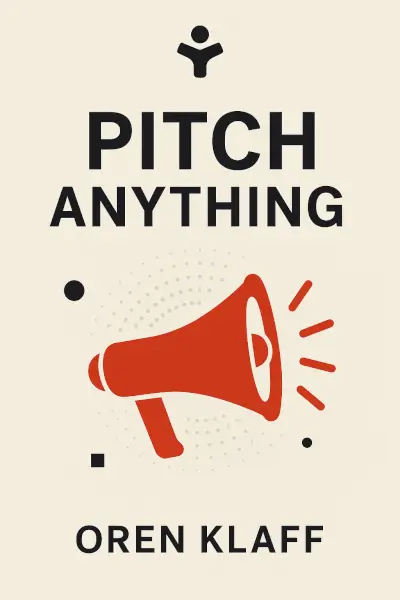
Pitch Anything: An Innovative Method for Presenting, Persuading, and Winning the Deal
Ready to Take Action?
Get the Mentorist app and turn insights like these into daily habits.